
H for Health Blog
What’s new!
You can want to lose fat, build muscle or change how your clothes fit without treating your current body like a problem under construction. This is about moving appearance out of the CEO role, reducing body checking, widening the way you measure progress and learning to care for the body you have while you’re still working on your health.
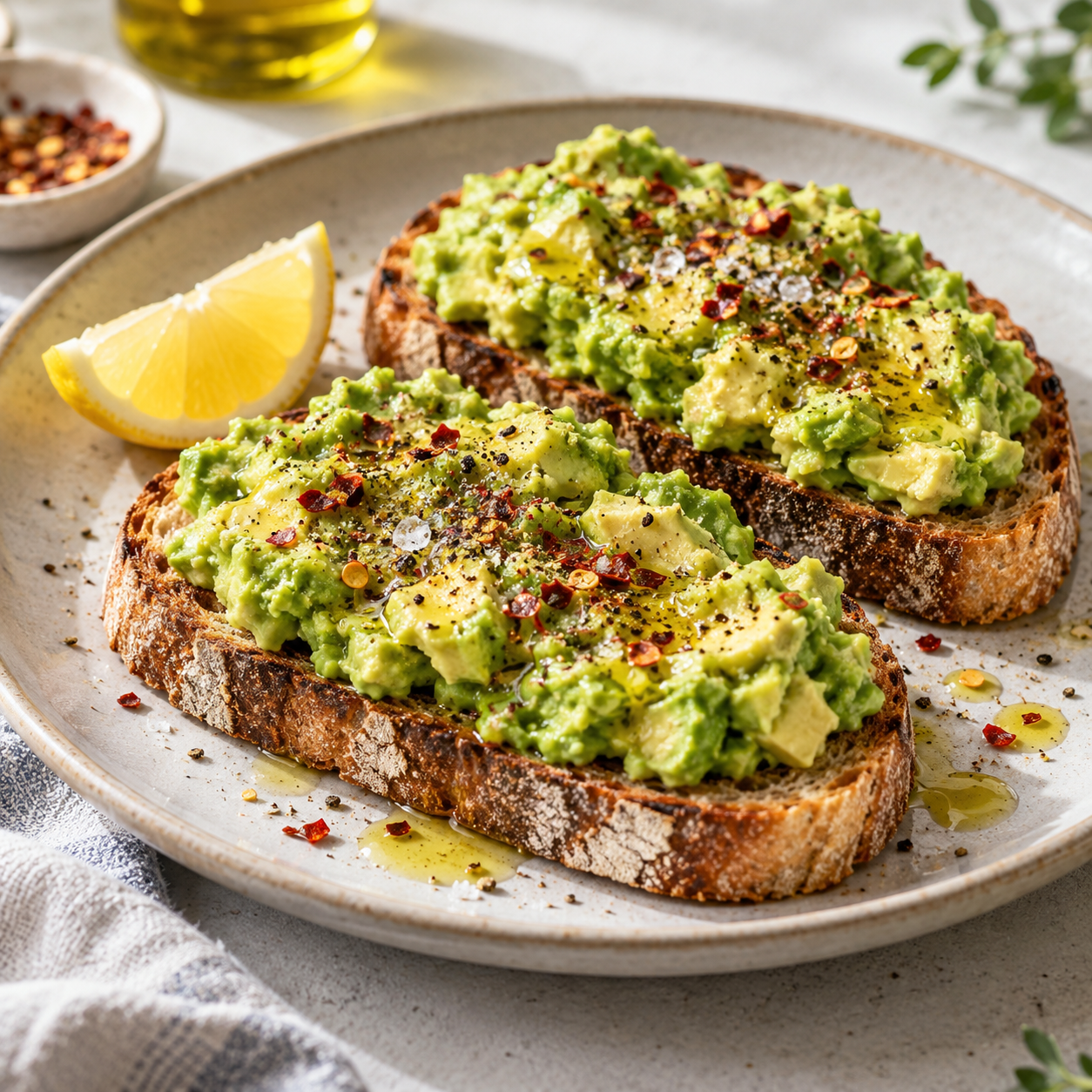
Is avocado healthy? What about bread, potatoes, nuts or chocolate?
We're so busy labelling foods as good, bad, healthy or unhealthy that we're missing a much more useful question:
What is this food actually contributing?
From protein and fibre to energy, iron, calcium and even pleasure, different foods have different jobs. Learn how to stop chasing foods with a healthy reputation and start making smarter, more confident nutrition choices that actually support your body, your goals and your real life.
Waiting for work to settle down, the kids to need less or next Monday to arrive? You could be waiting forever. Here are five practical ways to keep looking after yourself in the life you actually have — by setting a realistic minimum, choosing three anchors, reducing friction and learning to turn the dial down instead of switching yourself off.
Over 40 and suddenly blaming everything on age? Fatigue, weight gain, weakness, stiffness, brain fog and poor sleep can all become more common in midlife — but that doesn’t mean they’re inevitable or untouchable. Here’s what may be changing, what’s worth investigating, and the practical things we can still improve.
Habits & Building a Sustainable Lifestyle

High-achieving women are very good at going all-in. So when fat loss becomes the goal, it’s tempting to slash calories, add more workouts, chase more steps and turn healthy living into another full-time job.
The problem? A plan that only works while you’re operating at 110% capacity is eventually going to fall to shit.
Here’s why a modest calorie deficit, strength training, walking, proper food and enough room for real life can get you further than trying to be Superwoman.
You had a routine. You were exercising, eating well and finally finding your groove. Then… life happened.
Getting back into healthy habits isn't about punishing yourself, making up for lost time or jumping straight back in where you left off. It's about meeting yourself where you are now, starting smaller than your ego might like, and rebuilding your rhythm one manageable step at a time.
You haven't failed. You've been living. Now let's find a sensible way back in.
Before we blame our sweet tooth, emotional eating or lack of willpower, there’s one question worth asking:
Are we actually eating enough?
When we’re under-fed, genuine hunger and comfort cravings become incredibly difficult to separate. But when we start eating proper, satisfying meals, the noise gets quieter—and it becomes much easier to recognise when we need food and when we’re looking for comfort, reward or simply something delicious.
Feed the body first. Then get curious about what’s left.
The beginning is exciting. New plan, fresh motivation, we’re doing all the things.
Then a few weeks pass and suddenly it’s just… boring.
Same walks. Same meals. Same workouts. And the big exciting result hasn’t arrived yet.
This is the bit where health actually changes. Learn how to stop relying on results for motivation, recognise the quiet wins happening right now and keep showing up when the novelty has well and truly disappeared.
Sometimes the problem isn't knowing what to eat. It's having enough brain left to make it happen.
When work is hectic, the mental load is enormous and deciding what's for dinner feels like one decision too many, healthy eating can quickly disappear.
This isn't a guide to meal prep harder or find more motivation. It's about creating a low-battery version of healthy eating—simple meals, fewer decisions, familiar foods and realistic strategies that help us keep feeding our brain, body and muscles when life is absolutely kicking our arse.
Because healthy eating doesn't need to be impressive to work.
The chocolate tastes good now. The couch is comfortable now. The benefits of better health? They often arrive weeks, months or even years later.
That’s why delayed gratification matters.
This article explores how to get better at choosing what we want more over what we want right now—without turning health into restriction, punishment or endless willpower. It’s a practical skill that can support fat loss, energy, strength, sleep and long-term health, one intentional decision at a time.
Big goals are exciting.
Lose 10kg. Get stronger. Run 5km. Improve your health. Feel like yourself again.
But then comes the tricky bit: what do we actually do today?
Using behaviour-change research and ideas from James Clear’s Atomic Habits, this article shows you how to work backwards from a big goal, turn it into ridiculously achievable actions and build a system you can actually stick to.
One of the hardest parts of improving your health isn't eating better or exercising more.
It's continuing to show up when it feels like nothing is changing.
We live in a world that rewards us instantly, so it's no surprise we expect our bodies to do the same. But real health doesn't work on overnight timelines. The first few weeks are often spent building habits, changing routines and laying foundations that aren't visible yet.
In this article, I'll explain why the first six weeks aren't about proving the plan works—they're about proving to yourself that you'll keep showing up long enough for it to.
We talk a lot about longevity. Strong bones at 70. A healthy heart. More muscle. Living longer.
But what about just surviving this week?
There’s tired from moving your body, building strength and actually using your muscles. Then there’s the tired that comes from feeling sluggish, under-fuelled, mentally drained and somehow exhausted despite barely moving.
Looking after ourselves takes effort—but that effort can give something back.
This article is about choosing the kind of hard that helps us feel stronger, clearer and more capable now, while quietly looking after future-us at the same time.
We often think a healthy life should be a steady climb upwards.
Eat well. Exercise consistently. Keep improving.
But real life has other plans.
Kids get sick. Careers become demanding. Hormones change. We experience grief, illness and seasons where simply getting through the day feels like enough.
This article explores why healthy habits aren't just for helping us make progress—they're there to help us cope. Because the goal isn't to be perfect through every season. It's to support ourselves through every one.
Most of us don't avoid tracking our food because it's too hard.
We avoid it because it asks us to look honestly at our habits—and that's uncomfortable.
I've felt it too.
In this article, we explore why awareness feels so confronting, how guilt keeps us stuck, and why replacing judgement with curiosity is one of the most powerful things we can do for our health.
There are millions of healthy recipes online, endless workout programs and enough nutrition advice to last a lifetime.
So why do so many of us still struggle to make healthy habits stick?
The answer probably isn't a lack of knowledge.
It's life.
In this article, I explore why motivation fades, why challenges often don't create lasting change, and how building habits that fit your real life—not your ideal life—is the key to finally making your health feel sustainable.
We've become obsessed with what healthy looks like. But real health isn't measured by your dress size or visible abs—it's measured by what your body allows you to do. Discover why becoming stronger, more capable and more resilient is a far better goal than simply becoming smaller.
The health industry loves fast results, but lasting fat loss is built differently. Discover why consistency beats motivation, how sustainable habits create lasting change and why slow progress may actually be your secret weapon.
Even health coaches have off weeks, skipped workouts and periods where life gets in the way. The secret isn't avoiding setbacks—it's learning how to recover from them and keep moving forward.
Ever felt like you're doing everything right but not seeing results? The truth is that the body you're living in today was largely built by the habits you've practised over the past few month
Small daily habits compound over time — for better or worse. Learn how tiny nutrition and lifestyle choices quietly shape your energy, weight, hormones, mindset and long-term health more than dramatic short-term effort ever will.
You eat breakfast… Then think about food by 10am. You have lunch… Then magically need “something sweet” at 2:30pm. You eat dinner… Then spend the evening opening cupboards like they personally offended you. Sound familiar? Despite what diet culture tells women, being constantly hungry is not a sign you “lack discipline.” Usually, it’s a sign your body needs something.
Tired of feeling overwhelmed by meal prep? This article shares realistic ways to eat healthy without spending your entire weekend cooking. Learn simple nutrition habits, low-effort meal ideas and sustainable healthy eating strategies that actually fit busy real life.
Mindset & Mental Health
You can want to lose fat, build muscle or change how your clothes fit without treating your current body like a problem under construction. This is about moving appearance out of the CEO role, reducing body checking, widening the way you measure progress and learning to care for the body you have while you’re still working on your health.
Waiting for work to settle down, the kids to need less or next Monday to arrive? You could be waiting forever. Here are five practical ways to keep looking after yourself in the life you actually have — by setting a realistic minimum, choosing three anchors, reducing friction and learning to turn the dial down instead of switching yourself off.
Over 40 and suddenly blaming everything on age? Fatigue, weight gain, weakness, stiffness, brain fog and poor sleep can all become more common in midlife — but that doesn’t mean they’re inevitable or untouchable. Here’s what may be changing, what’s worth investigating, and the practical things we can still improve.
Feeling flat, anxious, snappy, foggy or completely overwhelmed doesn’t always mean your “software” is broken. Sometimes the body underneath it is tired, under-fuelled and under-recovered. Try this simple 7-day hardware experiment: eat properly, move, get daylight, rest and then notice what changes in your energy, mood, anxiety, concentration and sleep.
The workout takes 30 minutes. Somehow, we can spend six hours doing it in our head.
The same goes for dinner, going for a walk or making any of the small decisions involved in looking after ourselves. Sometimes the healthy thing isn’t what’s exhausting us — it’s the internal negotiation required to get there.
Here’s what’s happening in our brains when every decision starts feeling hard, and how a few defaults, plans and decisions made ahead of time can make healthy habits feel a whole lot easier.
You had a routine. You were exercising, eating well and finally finding your groove. Then… life happened.
Getting back into healthy habits isn't about punishing yourself, making up for lost time or jumping straight back in where you left off. It's about meeting yourself where you are now, starting smaller than your ego might like, and rebuilding your rhythm one manageable step at a time.
You haven't failed. You've been living. Now let's find a sensible way back in.
The chocolate tastes good now. The couch is comfortable now. The benefits of better health? They often arrive weeks, months or even years later.
That’s why delayed gratification matters.
This article explores how to get better at choosing what we want more over what we want right now—without turning health into restriction, punishment or endless willpower. It’s a practical skill that can support fat loss, energy, strength, sleep and long-term health, one intentional decision at a time.
Big goals are exciting.
Lose 10kg. Get stronger. Run 5km. Improve your health. Feel like yourself again.
But then comes the tricky bit: what do we actually do today?
Using behaviour-change research and ideas from James Clear’s Atomic Habits, this article shows you how to work backwards from a big goal, turn it into ridiculously achievable actions and build a system you can actually stick to.
One of the hardest parts of improving your health isn't eating better or exercising more.
It's continuing to show up when it feels like nothing is changing.
We live in a world that rewards us instantly, so it's no surprise we expect our bodies to do the same. But real health doesn't work on overnight timelines. The first few weeks are often spent building habits, changing routines and laying foundations that aren't visible yet.
In this article, I'll explain why the first six weeks aren't about proving the plan works—they're about proving to yourself that you'll keep showing up long enough for it to.
We talk a lot about longevity. Strong bones at 70. A healthy heart. More muscle. Living longer.
But what about just surviving this week?
There’s tired from moving your body, building strength and actually using your muscles. Then there’s the tired that comes from feeling sluggish, under-fuelled, mentally drained and somehow exhausted despite barely moving.
Looking after ourselves takes effort—but that effort can give something back.
This article is about choosing the kind of hard that helps us feel stronger, clearer and more capable now, while quietly looking after future-us at the same time.
"I'll start on Monday."
"When work settles down."
"When I feel more motivated."
We've all said it.
But what if we've been waiting for something that was never meant to come first?
Real change doesn't happen because we suddenly wake up feeling ready. It happens when the reason becomes important enough and we begin to believe we're capable of taking the next step.
In this article, I'll show you how to build both—so you can stop waiting for the perfect time and start creating lasting change, one small promise at a time.
We often think a healthy life should be a steady climb upwards.
Eat well. Exercise consistently. Keep improving.
But real life has other plans.
Kids get sick. Careers become demanding. Hormones change. We experience grief, illness and seasons where simply getting through the day feels like enough.
This article explores why healthy habits aren't just for helping us make progress—they're there to help us cope. Because the goal isn't to be perfect through every season. It's to support ourselves through every one.
Most of us don't avoid tracking our food because it's too hard.
We avoid it because it asks us to look honestly at our habits—and that's uncomfortable.
I've felt it too.
In this article, we explore why awareness feels so confronting, how guilt keeps us stuck, and why replacing judgement with curiosity is one of the most powerful things we can do for our health.
There are millions of healthy recipes online, endless workout programs and enough nutrition advice to last a lifetime.
So why do so many of us still struggle to make healthy habits stick?
The answer probably isn't a lack of knowledge.
It's life.
In this article, I explore why motivation fades, why challenges often don't create lasting change, and how building habits that fit your real life—not your ideal life—is the key to finally making your health feel sustainable.
We've been taught to judge health by what we see in the mirror.
But real health has very little to do with having the "perfect" body.
In this article, I explore why muscle, bone density, cardiovascular fitness, brain health and happiness are far better measures of wellbeing—and why building a capable body is one of the greatest investments you can make in your future.
Getting healthy isn't just about motivation or willpower. The people you surround yourself with can have a bigger impact on your success than you realise.
Discover why community is one of the most powerful tools for building lasting healthy habits—and why you don't have to do it alone.
Most of your daily choices happen on autopilot. Learn how habits shape your behaviour, why they can work against you, and how to retrain your brain so healthy choices become the easy, automatic ones.
We've become obsessed with what healthy looks like. But real health isn't measured by your dress size or visible abs—it's measured by what your body allows you to do. Discover why becoming stronger, more capable and more resilient is a far better goal than simply becoming smaller.
Macro, micronutrients & recipes
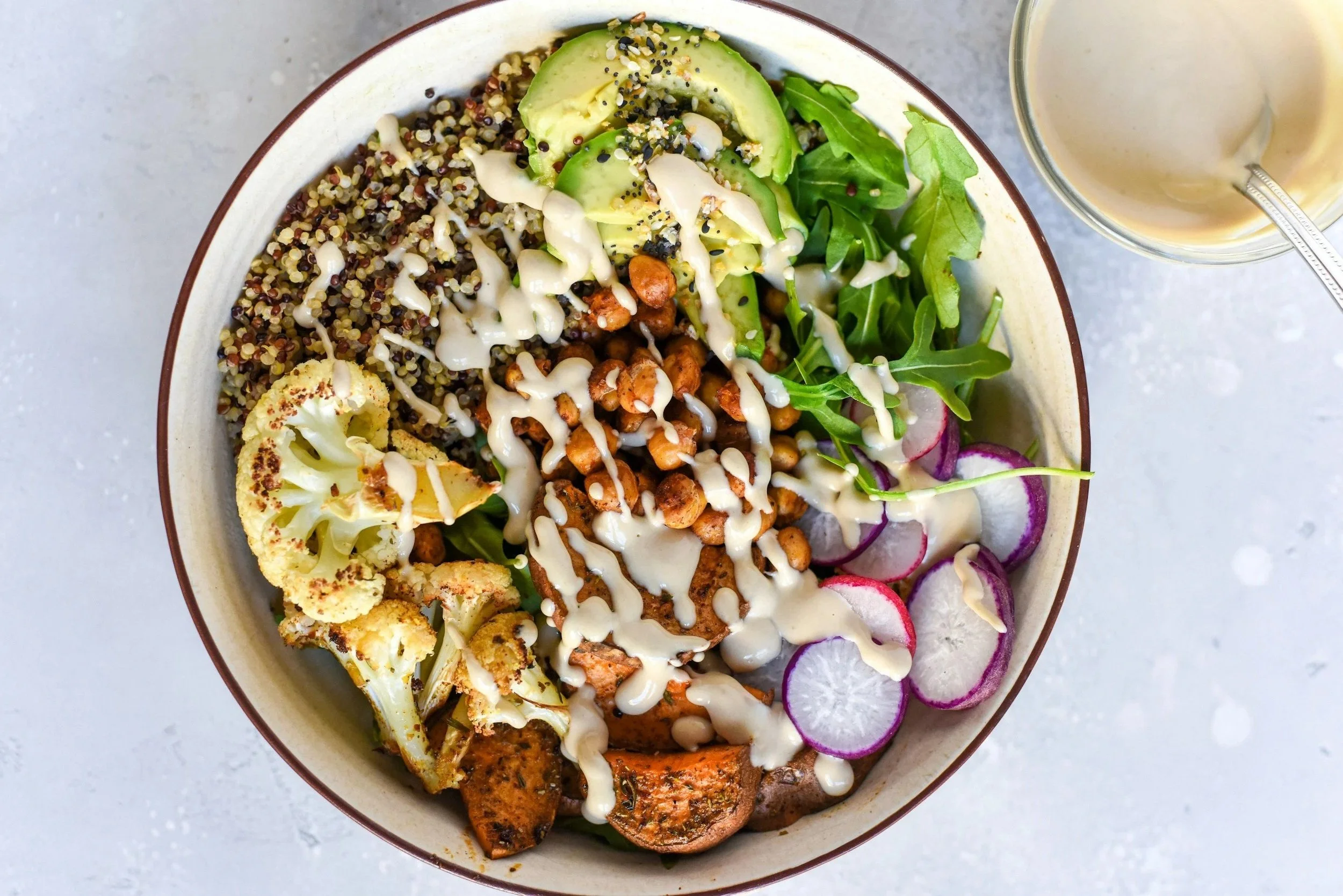
Is avocado healthy? What about bread, potatoes, nuts or chocolate?
We're so busy labelling foods as good, bad, healthy or unhealthy that we're missing a much more useful question:
What is this food actually contributing?
From protein and fibre to energy, iron, calcium and even pleasure, different foods have different jobs. Learn how to stop chasing foods with a healthy reputation and start making smarter, more confident nutrition choices that actually support your body, your goals and your real life.
Over 40 and suddenly blaming everything on age? Fatigue, weight gain, weakness, stiffness, brain fog and poor sleep can all become more common in midlife — but that doesn’t mean they’re inevitable or untouchable. Here’s what may be changing, what’s worth investigating, and the practical things we can still improve.
Sometimes the problem isn't knowing what to eat. It's having enough brain left to make it happen.
When work is hectic, the mental load is enormous and deciding what's for dinner feels like one decision too many, healthy eating can quickly disappear.
This isn't a guide to meal prep harder or find more motivation. It's about creating a low-battery version of healthy eating—simple meals, fewer decisions, familiar foods and realistic strategies that help us keep feeding our brain, body and muscles when life is absolutely kicking our arse.
Because healthy eating doesn't need to be impressive to work.
You’re eating roughly the same. You’re still exercising. Maybe you’re actually more conscious of your health than you were ten years ago.
So why are your jeans tighter and your body suddenly storing weight differently?
Our 40s can bring changes to hormones, muscle mass, sleep, appetite, daily movement and body composition—and the strategies that worked at 30 may need adjusting.
This isn’t about blaming everything on hormones or accepting that weight gain is inevitable. It’s about understanding what has actually changed, so we can stop fighting our bodies and start using a smarter strategy for the body we have now.
Tired of feeling overwhelmed by meal prep? This article shares realistic ways to eat healthy without spending your entire weekend cooking. Learn simple nutrition habits, low-effort meal ideas and sustainable healthy eating strategies that actually fit busy real life.
Somewhere along the way, healthy eating got confused with elaborate recipes, perfectly chopped vegetables and spending your Sunday bulk-cooking quinoa in matching containers.
Meanwhile, real life looks more like: “What can I make in 15 minutes before someone melts down?”
You know that feeling where you just feel… ugh? Heavy. Puffy. Swollen. Sluggish. Your rings feel tight. Your clothes feel uncomfortable. Your stomach feels stretched. Your face looks puffier than usual. You just don’t feel like yourself in your own body. And somehow it can happen even when you’re “being good.” This is one of the most common things women tell me — especially busy women in their late 30s, 40s and 50s.
And no, it’s not always fat gain.
Fat Loss
High-achieving women are very good at going all-in. So when fat loss becomes the goal, it’s tempting to slash calories, add more workouts, chase more steps and turn healthy living into another full-time job.
The problem? A plan that only works while you’re operating at 110% capacity is eventually going to fall to shit.
Here’s why a modest calorie deficit, strength training, walking, proper food and enough room for real life can get you further than trying to be Superwoman.
Before we blame our sweet tooth, emotional eating or lack of willpower, there’s one question worth asking:
Are we actually eating enough?
When we’re under-fed, genuine hunger and comfort cravings become incredibly difficult to separate. But when we start eating proper, satisfying meals, the noise gets quieter—and it becomes much easier to recognise when we need food and when we’re looking for comfort, reward or simply something delicious.
Feed the body first. Then get curious about what’s left.
The beginning is exciting. New plan, fresh motivation, we’re doing all the things.
Then a few weeks pass and suddenly it’s just… boring.
Same walks. Same meals. Same workouts. And the big exciting result hasn’t arrived yet.
This is the bit where health actually changes. Learn how to stop relying on results for motivation, recognise the quiet wins happening right now and keep showing up when the novelty has well and truly disappeared.
Sometimes the problem isn't knowing what to eat. It's having enough brain left to make it happen.
When work is hectic, the mental load is enormous and deciding what's for dinner feels like one decision too many, healthy eating can quickly disappear.
This isn't a guide to meal prep harder or find more motivation. It's about creating a low-battery version of healthy eating—simple meals, fewer decisions, familiar foods and realistic strategies that help us keep feeding our brain, body and muscles when life is absolutely kicking our arse.
Because healthy eating doesn't need to be impressive to work.
You’re eating roughly the same. You’re still exercising. Maybe you’re actually more conscious of your health than you were ten years ago.
So why are your jeans tighter and your body suddenly storing weight differently?
Our 40s can bring changes to hormones, muscle mass, sleep, appetite, daily movement and body composition—and the strategies that worked at 30 may need adjusting.
This isn’t about blaming everything on hormones or accepting that weight gain is inevitable. It’s about understanding what has actually changed, so we can stop fighting our bodies and start using a smarter strategy for the body we have now.
Getting healthy isn't just about motivation or willpower. The people you surround yourself with can have a bigger impact on your success than you realise.
Discover why community is one of the most powerful tools for building lasting healthy habits—and why you don't have to do it alone.
You don't need to lose 20 kilos or reinvent yourself to enjoy the benefits of better health. Learn why small, sustainable improvements can create lasting change over time.
Many women know they should prioritise their health but struggle to get started because nothing feels urgent. Discover how to find a deeper reason for change and build healthy habits that last.
Fat loss isn't just about what you eat. Learn the 5 non-food habits that can make a huge difference to your results, from walking and sleep to stress management and consistency.
If you're always hungry, fat loss can feel impossible. Learn the 5 simple nutrition strategies that help reduce hunger, control cravings and keep you satisfied for longer.
The health industry loves fast results, but lasting fat loss is built differently. Discover why consistency beats motivation, how sustainable habits create lasting change and why slow progress may actually be your secret weapon.
If you’ve been thinking:
👉 “I just can’t seem to get motivated anymore”
You’re not alone.
And you’re not broken.
Because what most women call “lack of motivation”…
👉 is usually something else entirely.
There’s a thought many women have… but don’t always say out loud. “I don’t feel like myself anymore.” Not dramatically.
Not in a way that anyone else would necessarily notice. Just quietly. You’re more tired. More stretched. Less like the version of you that used to feel energised, confident and in control. And somewhere along the way, you’ve started to assume: “This is just how it is now.”
If that’s how you’ve been feeling — you’re not alone. And more importantly… 👉 It’s not permanent.
You’re doing what you think you’re “supposed” to do. And yet… nothing is really changing.You might feel:
• tired more often than you expect
• hungry all the time (or not at all)
• unsure if you’re eating too much or too little
• frustrated that your effort isn’t translating into results
If that sounds familiar, you’re not alone. This is one of the most common situations I see with women I work with. And the truth is — it’s rarely a motivation problem.
Feeling hungry all the time can be frustrating.
You might notice that you:
finish a meal and feel hungry again soon after
constantly think about food
snack frequently throughout the day
struggle to feel satisfied even when eating “healthy”
Many people assume this means they simply need more discipline.
But in reality, constant hunger is usually a signal that something in your nutrition or lifestyle needs adjusting.
Many women reach a point where they feel like they’re doing all the right things.
You might be:
• cooking most meals at home
• eating plenty of vegetables
• choosing whole foods
• exercising regularly
And yet… the scale doesn’t change.
Or it slowly creeps up.
One of the most common frustrations women experience in their 40s and my clients when they come to me is this:
Weight gain around the stomach that seems to appear out of nowhere.
You might notice that:
your waistline feels thicker
clothes fit differently around the middle
fat seems to sit around your stomach more than it used to
Even women who eat reasonably well and exercise regularly often say: “I never used to gain weight in this area before.”
If this sounds familiar, you’re not imagining things.
If you’ve ever tried to lose weight and thought:
“Why am I so hungry all the time?”
“Is fat loss supposed to feel this hard?”
“How do people stick to a diet without constantly thinking about food?”
You’re not alone.
Constant hunger is one of the biggest reasons women give up on fat loss.
If you’re in a calorie deficit and fat loss feels slower than it should…
or you’re exhausted from trying to “do more cardio”…
Walking might be the missing piece.
Not more HIIT.
Not eating less.
Not pushing harder.
Just more daily movement.
If you’ve found yourself Googling:
“Why am I gaining weight in my 40s?”
“Why is my belly getting bigger?”
“Has my metabolism slowed down?”
You’re not imagining it.
But it’s also not because your body is “broken.”
Let’s unpack what’s actually happening — and what works.
If you feel like your body has changed overnight — but your habits haven’t — you’re not imagining it.
“Weight gain in my 40s”
“Perimenopause weight gain”
“Hormones and weight gain”
These are some of the most searched health questions for women right now.
If you’ve ever typed “Does Pilates burn fat?” into Google, you’re not alone.
A lot of women want to know whether Pilates is “enough” — especially if they’re trying to improve body composition, feel stronger, or lose fat.
So let’s answer it clearly.
Movement
You had a routine. You were exercising, eating well and finally finding your groove. Then… life happened.
Getting back into healthy habits isn't about punishing yourself, making up for lost time or jumping straight back in where you left off. It's about meeting yourself where you are now, starting smaller than your ego might like, and rebuilding your rhythm one manageable step at a time.
You haven't failed. You've been living. Now let's find a sensible way back in.
Getting healthy isn't just about motivation or willpower. The people you surround yourself with can have a bigger impact on your success than you realise.
Discover why community is one of the most powerful tools for building lasting healthy habits—and why you don't have to do it alone.
Want to be healthier but don't relate to gym culture or health obsession? Learn how to improve your fitness, energy and wellbeing without becoming a fitness fanatic or changing who you are.
There’s a thought many women have… but don’t always say out loud. “I don’t feel like myself anymore.” Not dramatically.
Not in a way that anyone else would necessarily notice. Just quietly. You’re more tired. More stretched. Less like the version of you that used to feel energised, confident and in control. And somewhere along the way, you’ve started to assume: “This is just how it is now.”
If that’s how you’ve been feeling — you’re not alone. And more importantly… 👉 It’s not permanent.
You’re doing what you think you’re “supposed” to do. And yet… nothing is really changing.You might feel:
• tired more often than you expect
• hungry all the time (or not at all)
• unsure if you’re eating too much or too little
• frustrated that your effort isn’t translating into results
If that sounds familiar, you’re not alone. This is one of the most common situations I see with women I work with. And the truth is — it’s rarely a motivation problem.
Exercise is often promoted as something that boosts energy.
And for many people it does.
But some women find themselves exercising regularly and still feeling exhausted.
You might notice:
low energy during the day
fatigue after workouts
difficulty recovering from training
If this sounds familiar, several factors could be contributing.
Many women begin exercising more to improve their health or lose weight.
But sometimes the opposite seems to happen.
You might notice:
the scale increasing
clothes fitting differently
feeling frustrated despite consistent workouts
This situation is more common than people realise.
If you’re in a calorie deficit and fat loss feels slower than it should…
or you’re exhausted from trying to “do more cardio”…
Walking might be the missing piece.
Not more HIIT.
Not eating less.
Not pushing harder.
Just more daily movement.
If you’re over 40 and trying to improve body composition, you’ve probably asked yourself:
Should I be in the gym lifting heavy…Or is Pilates enough?
It’s a fair question — especially when social media makes it look like fat loss only happens through intense gym sessions, sweat puddles and heavy barbells.
If you’ve ever typed “Does Pilates burn fat?” into Google, you’re not alone.
A lot of women want to know whether Pilates is “enough” — especially if they’re trying to improve body composition, feel stronger, or lose fat.
So let’s answer it clearly.
Many women ask:
“Do I really need Pilates if I already lift weights or do classes?”
The answer isn’t either/or — it’s about what your body needs most right now.
When it comes to starting (or restarting) your fitness journey, it’s tempting to jump straight into heavy weightlifting, punishing cardio sessions, or signing up for the local running club. These activities can be fantastic in the right context — but without the right foundation, they can also leave you sore, burned out, or injured before you even get going. This is where Pilates steps in — slow, steady, and deceptively powerful. While it may not have the sweat-dripping intensity of a bootcamp, the benefits run deep and long-term.
Perimenopause, Hormones & Metabolic Signals
You’re eating roughly the same. You’re still exercising. Maybe you’re actually more conscious of your health than you were ten years ago.
So why are your jeans tighter and your body suddenly storing weight differently?
Our 40s can bring changes to hormones, muscle mass, sleep, appetite, daily movement and body composition—and the strategies that worked at 30 may need adjusting.
This isn’t about blaming everything on hormones or accepting that weight gain is inevitable. It’s about understanding what has actually changed, so we can stop fighting our bodies and start using a smarter strategy for the body we have now.
All Articles
5 Hard Truths About Your Health That Only You Can Solve
There’s no shortage of advice when it comes to health, fitness and fat loss. New plans. New rules. New “must-dos”. But underneath all of that noise are a few uncomfortable truths that don’t get talked about nearly enough. They’re not sexy.
They don’t come with a 6-week timeline.
And no one else can do them for you. Here are five hard truths about health and fitness that only you can solve — and why facing them is often the turning point.
Let Go of the Old You — She Wasn’t Meant to Be Forever
Let’s say this gently, but clearly: the version of you that you keep comparing yourself to no longer exists. Not because you failed. Not because you “let yourself go.” But because life moved forward—and you moved with it. That old version of you? She might’ve been fitter. More flexible. Lighter. Less tired.
She might’ve had more time to train, plan meals, sleep in, recover properly, not to mention her age! But she also lived in a completely different chapter. Today’s you is juggling more—mentally, emotionally, physically. Work. Kids. Relationships. Stress. Hormones. Responsibilities. Decision fatigue. You’re carrying more, and expecting yourself to perform like you’re not. And that’s where the frustration creeps in.
Build 3 New Health Habits by Easter (Without Overhauling Your Life)
Easter has a funny way of sneaking up on us. One minute it’s “still early in the year,” the next there are hot cross buns everywhere and you’re wondering how the first few months slipped by so fast. The good news? You don’t need a full reset, detox, or dramatic life overhaul to feel better by Easter. You just need three simple, well-chosen habits — and a clear, realistic way to build them.
This guide will walk you through exactly how to do that, step by step.
The Fastest Way to Make Nutrition Feel Easier (Without Doing More)
If you’ve ever thought “I know what to do, I just can’t seem to stick to it” — you’re not broken. You’re human.
Most women don’t struggle with nutrition because they lack willpower, discipline, or knowledge. They struggle because they’re trying to do it alone, while juggling work, family, stress, changing hormones, fatigue, and a body that no longer responds the way it used to in their 20s. That’s where a nutrition coach can be a game-changer — not as a rule-enforcer or food police, but as a guide, sounding board, and support system.
Perimenopause and Menopause Should Be Your Why — Not Your Excuse
Perimenopause and menopause get a bad rap. They’re often framed as the time when everything goes downhill: your metabolism “breaks”, your energy disappears, your body changes without permission, and fat gain becomes “inevitable”. So it’s no surprise that many women quietly give up — What’s the point? My hormones are against me anyway. But here’s the reframe that matters: Perimenopause and menopause aren’t a reason to stop caring for your nutrition and movement. They’re the strongest reason to start caring for them properly.
Why Doing Less, More Often Works Better for Your Body
If you’ve ever gone “all in” on a new health kick—hard workouts, strict food rules, zero flexibility—only to burn out a few weeks later, you’re not alone. The health and fitness world loves intensity. But real, lasting results come from consistency. When it comes to fat loss, building strength, and actually feeling good in your body, what you do most of the time matters far more than what you do occasionally.
Let’s break down why consistency wins—and how to apply it without lowering your standards or motivation.
Inflammation: The Internet’s Current Favourite Health Problem (And What Actually Helps)
Inflammation is one of those health buzzwords that gets talked about a lot—often in a way that makes it sound scary or like something you need to eliminate completely. In reality, inflammation isn’t all bad. In fact, it’s a vital part of how your body heals and protects itself. The problem arises when inflammation sticks around for too long. Let’s break down what inflammation actually is, the symptoms it can cause when it becomes chronic, and how supportive, realistic nutrition can help calm the body—without extreme rules, restriction, or food fear.
Hunger Is a Signal, Not a Test of Discipline
If you’ve ever felt proud of “pushing through” hunger, you’re not alone. Many women have been taught that ignoring hunger is a sign of discipline — and that the hungrier you are, the more progress you must be making. But biologically, hunger doesn’t work that way. Hunger is not a character flaw or a lack of willpower.
It’s a physiological signal — and when it’s ignored for too long, the body responds in ways that can make eating, mood, energy, and fat loss feel much harder than they need to be.
Getting Back on the Horse (Without Turning Your Life Into an Army Boot Camp)
The Christmas–New Year period has a funny way of making us feel like we’ve “fallen off the wagon.”
Routines loosen. Meals look different. Movement becomes optional. Bedtimes stretch. Glasses get refilled. And then January rolls around with a loud, aggressive message: “Right. Time to fix everything.” Suddenly, it can feel like the only way forward is to swing hard in the opposite direction — strict rules, punishing workouts, and a sense that you need to make up for the past few weeks. But here’s the truth: You don’t need a brutal reset. You don’t need to undo December. And you definitely don’t need to join an imaginary army boot camp to be healthy. You just need to… get back on the horse.
“When I Have Time”: The Lie We Tell Ourselves About Health
Here’s a polished, reader-friendly article that keeps the heart of your story but sharpens the message In the second half of 2025, I was incredibly lucky to experience the trip of a lifetime — travelling around Australia with my young family. Before we left, I did what many of us do: I made a mental list of all the things I’d finally have time for. One of them was learning embroidery. I packed a beautiful DIY embroidery kit I’d been gifted, convinced I’d have long, quiet stretches to learn a new skill and complete it. Spoiler alert:
I didn’t touch it once in 4.5 months. And it wasn’t just the embroidery. Every single thing on my “when I have time” list stayed exactly there — on the list.
Hydration: How to Drink Enough Without Living in the Bathroom
Hydration is one of the most underrated foundations of good health. It doesn’t come with flashy marketing, it’s not a supplement, and it won’t promise a 7‑day transformation. But adequate hydration quietly supports almost every system in your body — from energy and digestion to mood, fat loss, hormones and performance. For many women, especially busy women juggling work, kids, training and stress, hydration is either forgotten… or approached in a way that leads to constant bathroom trips and frustration.
Why Do We Change for Some Health Risks, but Not for Our Weight?
When someone finds out they have a heart condition, the motivation to change is immediate. The same goes for a diagnosis like celiac disease—overnight, a person will cut out gluten because the link between action and consequence is undeniable. Yet when it comes to weight, even though the risks are just as real—heart disease, type 2 diabetes, joint issues, sleep apnea, cancers—many people hesitate. They might even reject the idea altogether. Why is it that we’ll make huge lifestyle changes for some health conditions, but not for our weight?
Why Slow and Steady Wins: The Lasting Benefits of Pilates Over Diving Straight Into High-Intensity Training
When it comes to starting (or restarting) your fitness journey, it’s tempting to jump straight into heavy weightlifting, punishing cardio sessions, or signing up for the local running club. These activities can be fantastic in the right context — but without the right foundation, they can also leave you sore, burned out, or injured before you even get going. This is where Pilates steps in — slow, steady, and deceptively powerful. While it may not have the sweat-dripping intensity of a bootcamp, the benefits run deep and long-term.
Healthy Living Doesn’t Have to Be All or Nothing (and here’s how to get started)
When it comes to health and fitness, there’s often a clear divide — people tend to either be “all in” or “not interested at all.” But here’s the truth: it doesn’t have to be that extreme. A healthy lifestyle isn’t black and white, and you don’t have to overhaul your entire life to start seeing benefits.
Signs carbs are dominating your diet (and what to do about it)
Carbohydrates are not the enemy. In fact, they’re your body’s preferred source of energy, especially for your brain and muscles. But like all good things, balance matters. If carbs dominate most of your meals — and protein, healthy fats, and micronutrient-rich veggies are left behind — you might start noticing signs your body isn’t feeling its best. It’s not about demonising bread, pasta, or fruit; it’s about recognising when your plate (and energy levels) might benefit from a little more balance.
From “I Have To” to “I Get To”: The Mindset Shift That Changes Everything
When it comes to eating well and moving our bodies, so much of the language we use is rooted in obligation. “I have to go to the gym.” “I have to eat healthy.” “I have to cut out sugar. That kind of thinking frames our health habits as chores—something to tick off a list, endure, and maybe even resent. But what if one simple shift in language could change the way you feel about these choices entirely? Enter: “I get to.”
Why Your Plate Beats Your Pill Box: The Power of Getting Nutrients from Food
In our busy, health-conscious world, supplements have become almost as common as coffee. Walk into any pharmacy and you’ll see shelves filled with pills, powders, and gummies promising more energy, stronger immunity, glowing skin, and better sleep. While supplements can play a role in supporting health, they are not a magic replacement for a nutrient-rich diet.
“The Only Person Coming to Save You Is the Version of You Who’s Fed Up”
How to Take Back Your Health (Without Waiting for a Perfect Plan, a Reset, or Permission)
There comes a moment in every woman’s journey where she quietly whispers:
“I can’t do this anymore.”
She’s not necessarily screaming it.
She might not even say it out loud.
But deep down, she feels it:
The clothes that don’t fit.
The energy that’s gone missing.
The moods that swing.
The shame and second-guessing around every food choice.
The workouts that haven’t happened (again).
“If You Can’t Monitor It, You Can’t Manage It”: The Power of Tracking Calories & Macros (Without Obsession)
Let’s be honest:
A lot of people think they know what they’re eating in a day.
But the truth is—most of us are guessing.
And those small daily guesses? They add up to weeks of frustration when the results just aren’t showing up.
So if you’re wondering why your fat loss has stalled (again), or why you feel tired, foggy, hungry, or stuck—despite “eating healthy”—this might be your missing link: If you can’t monitor it, you can’t manage it.
“Wait, That’s a Carb?” – What Carbohydrates Really Are (and How to Eat Them for Energy, Not Weight Gain)
Carbs get a bad rap.
Ask around and you’ll hear things like:
“Carbs make you gain weight.”
“Cut out carbs and you’ll drop kilos.”
“I only eat carbs on cheat days.”
But here’s the truth:
Carbohydrates are not the enemy.
They’re not just bread, pasta, or rice.
And your body actually needs them—especially as a woman over 35.