

Stop Asking Whether a Food Is “Healthy”
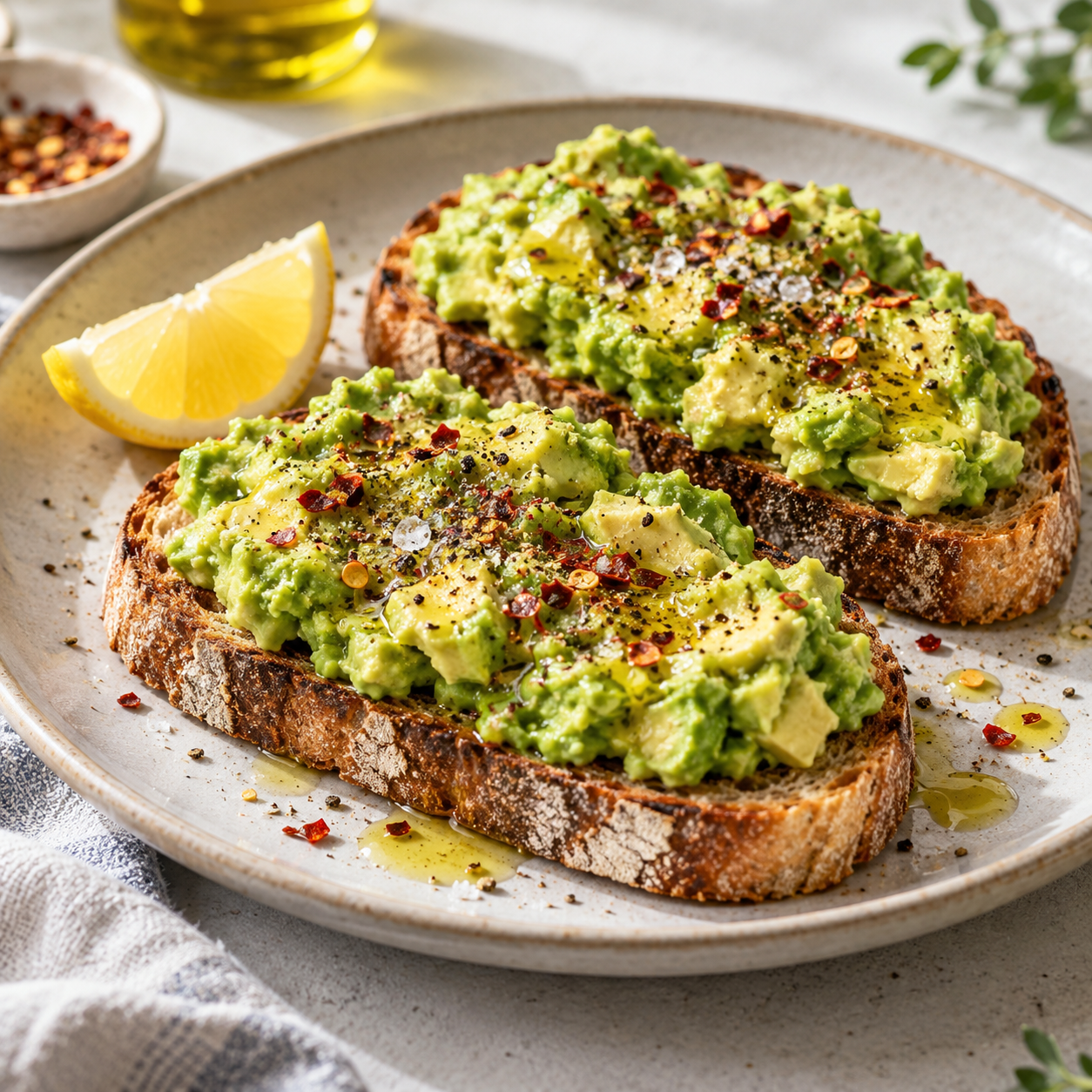
Start asking a much more useful question: What is this food actually contributing?
We love putting food into little moral boxes.
Healthy.
Unhealthy.
Good.
Bad.
Clean.
Junk.
And honestly, it’s not a particularly useful way to understand nutrition.
Because a food can be incredibly nutritious and still not be the thing you need right now.
A food can be calorie-dense and still be brilliant for you.
A food can be low-calorie and contribute almost nothing to the problem you’re trying to solve.
And something can be chosen purely because it tastes bloody good and still have a completely reasonable place in your life.
So instead of constantly asking:
“Is this healthy?”
I want you to start asking:
“What is this food actually contributing?”
That one question will teach you more about nutrition than another twelve months of scrolling through lists of “foods to avoid”.
Take spinach
Healthy?
Absolutely.
Spinach gives us folate, vitamin K, carotenoids and other useful micronutrients.
But if I’m trying to increase my fibre?
A cup of raw spinach gives me roughly 1g.
So if I say:
“I eat heaps of fibre because I have spinach every day”
we’ve confused healthy with useful for this particular job.
Keep the spinach.
But maybe add lentils.
Or chickpeas.
Or wholegrain bread.
Or a pear.
Now the meal is doing more.
Avocado is another good one
Avocado is one of those foods that has been granted full membership to the Healthy Food Hall of Fame.
And fair enough.
It gives us unsaturated fats, fibre, potassium and other nutrients.
But half an avocado also contains a decent amount of energy.
Again:
That is not bad.
Calories are not a character flaw.
But if fat loss is your goal and you’re adding avocado, nuts, olive oil, seeds and peanut butter to everything because they’re “healthy”, the word healthy has stopped being useful.
The better questions are:
What is the avocado giving me?
Healthy fats.
Some fibre.
Flavour.
Satiety.
Great.
Do I need that here?
Maybe yes.
Maybe I already have plenty of fat in the meal and what I actually need is more protein or carbohydrate.
That’s nutrition.
Not worshipping individual foods.
Now let’s talk about bread
Bread has somehow spent years being dragged through the nutritional mud.
Is bread healthy?
Wrong question.
What does it contribute?
Carbohydrate.
Energy.
Depending on the bread, fibre.
Some B vitamins and minerals.
And perhaps most importantly on a Tuesday morning:
an extremely efficient vehicle for eggs.
If you’re training later, walking all day or simply need enough energy to function, carbohydrate is useful.
A piece of sourdough with eggs and fruit may be much more helpful than an ultra-low-carb breakfast that leaves you rummaging through the pantry two hours later.
Sometimes the “healthy” choice is the one that actually feeds you.
Salad is healthy. But is it lunch?
This is one I see all the time.
Big bowl.
Lettuce.
Cucumber.
Tomato.
Maybe some balsamic.
Looks tremendously virtuous.
But what is it contributing?
Plants.
Micronutrients.
Some fibre.
Volume.
Lovely.
Where’s the protein?
Where’s the useful carbohydrate?
Where’s enough energy to carry an adult human through the next five hours?
Sometimes we call something healthy because it’s light.
Those are not the same thing.
If you finish lunch and need a snack forty minutes later, lunch may simply not have done its job.
Add chicken, tofu, tuna, eggs or legumes.
Add potato, rice, quinoa or bread.
Add olive oil or avocado if the meal needs some fat.
Build a meal, not a morality display.
What does fruit contribute?
This sounds obvious, but fruit still gets caught in the sugar panic.
A banana contributes carbohydrate.
Yes.
Also fibre, potassium, vitamin B6 and other nutrients.
It is also portable, cheap, requires no cooking and tastes good.
If someone tells me:
“Bananas have too much sugar”
my first thought is generally:
Compared with what problem?
If you’re about to train, a banana might be exactly what you need.
If you’re trying to increase fibre, maybe a pear or raspberries gives you more bang for that particular buck.
Neither is “healthier”.
They’re contributing different things.
Greek yoghurt?
Protein.
Calcium.
Potentially helpful bacteria depending on the product.
Convenience.
And if you add fruit and oats?
Now we’ve added carbohydrate and fibre.
If you add nuts?
Now we’ve added fat, fibre and extra energy.
See what happens when we stop asking whether yoghurt is healthy?
We start building food intentionally.
Nuts are brilliant. And sneaky little bastards.
Nuts contribute:
healthy fats,
some protein,
fibre,
vitamins and minerals.
Fantastic food.
They’re also very energy-dense.
A small handful can provide around 170–200 calories depending on the nut.
Does that make them unhealthy?
Of course not.
It means if you’re trying to increase calories, nuts are fantastic.
If you’re trying to lose body fat, they're still fantastic — but pouring them absent-mindedly from the bag while watching Netflix may be contributing considerably more energy than you realise.
Same food.
Different context.
Even chocolate contributes something
Yes. I'm serious.
What does chocolate contribute nutritionally?
Mostly energy, sugar and fat, depending on the type.
Maybe some minerals and cocoa compounds.
But it can also contribute:
pleasure.
Satisfaction.
Celebration.
Enjoyment.
Food has a social and emotional role too.
We don't need to pretend chocolate is nutritionally equivalent to broccoli.
It isn't.
But we also don't need to pretend every single food choice must optimise our microbiome.
Sometimes the thing chocolate contributes is:
I really wanted chocolate.
Eat it.
Enjoy it.
Move on with your life.
That's a much healthier relationship with food than desperately trying to manufacture a “clean” brownie from dates, chickpeas and emotional denial.
This question gets even more useful when you're solving a problem
Instead of:
“What should I eat?”
Try:
“What am I trying to achieve?”
If you're hungry all afternoon:
What is breakfast contributing?
Was there enough protein?
Enough fibre?
Enough total energy?
If you're constipated:
What is your day contributing in fibre and fluids?
Not:
Did I eat vegetables?
Actually look.
If you're tired:
What is lunch contributing?
Energy?
Carbohydrate?
Iron-rich foods?
Enough food generally?
If you're trying to build muscle:
What is this meal contributing in protein and total energy?
If you're trying to lose fat:
What is this food contributing in calories, satiety, protein and fibre?
Now we've moved from:
GOOD FOOD / BAD FOOD
to:
PROBLEM → INFORMATION → USEFUL CHOICE.
Much better.
“Healthy” also makes us blind to quantity
This works both ways.
We can overeat foods because they're healthy.
Nut butter.
Avocado.
Nuts.
Olive oil.
Seeds.
Granola.
All nutritious.
All capable of adding a substantial amount of energy.
And we can under-eat because something looks healthy.
Tiny salads.
Protein yoghurt for lunch.
Vegetable soup with almost no protein or carbohydrate.
Then we're furious with ourselves because we're hungry.
The food wasn't necessarily wrong.
It just wasn't contributing enough.
And sometimes the answer is convenience
A protein bar isn't automatically better than whole food.
But if the alternative is skipping lunch because you've been driving between appointments all day?
That protein bar has suddenly become pretty useful.
Frozen vegetables?
Brilliant.
Tinned beans?
Excellent.
Microwave rice?
Absolutely.
Pre-cooked chicken?
Sometimes exactly what saves dinner.
Nutrition doesn't happen in a theoretical kitchen where everyone has 90 minutes to prepare organic lentils.
It happens in your actual life.
So convenience itself can be a valuable contribution.
Start building meals by contribution
Here's the simplest version.
When you look at your plate, ask:
Where's my protein?
Where's my carbohydrate?
Where are my plants and fibre?
Where's some fat?
Then:
Is there enough food here for what I'm asking my body to do?
That last question matters.
Because we are very good at asking whether we're eating too much.
Far fewer women have been taught to ask whether they're eating enough of the useful stuff.
We don't need perfect foods
This is really the point.
Nutrition isn't won by collecting the highest possible number of foods with a health halo.
It's built by understanding what food does.
Lentils are brilliant for fibre.
Steak gives us highly bioavailable iron and protein.
Milk gives us calcium and protein.
Potatoes give us carbohydrate, potassium and fibre.
Olive oil gives us unsaturated fats and energy.
Berries give us fibre and polyphenols.
Chocolate gives us chocolate.
Different foods. Different jobs.
And once you understand the job, food becomes much less confusing.
So stop asking whether it's healthy
Because “healthy” is so broad it often tells us bugger all.
Ask:
What is this contributing?
Does it give me protein?
Fibre?
Iron?
Calcium?
Carbohydrate?
Healthy fats?
Energy?
Micronutrients?
Hydration?
Convenience?
Satisfaction?
Pleasure?
And then ask:
Is that what I need here?
Sometimes the answer will be spinach.
Sometimes it'll be sourdough.
Sometimes it'll be a bigger lunch.
Sometimes it'll be a handful of lentils thrown into dinner.
And sometimes it'll be chocolate on the couch because it's Friday and you want some.
That's not failing at nutrition.
That's understanding it.
Once you stop trying to eat foods that simply look healthy and start choosing foods for what they actually bring to the table, you become much harder to confuse with marketing, fads and food fear.
And considerably better at feeding yourself.
That’s the goal.