H for Health Blog
Habits & Building a Sustainable Lifestyle

You had a routine. You were exercising, eating well and finally finding your groove. Then… life happened.
Getting back into healthy habits isn't about punishing yourself, making up for lost time or jumping straight back in where you left off. It's about meeting yourself where you are now, starting smaller than your ego might like, and rebuilding your rhythm one manageable step at a time.
You haven't failed. You've been living. Now let's find a sensible way back in.
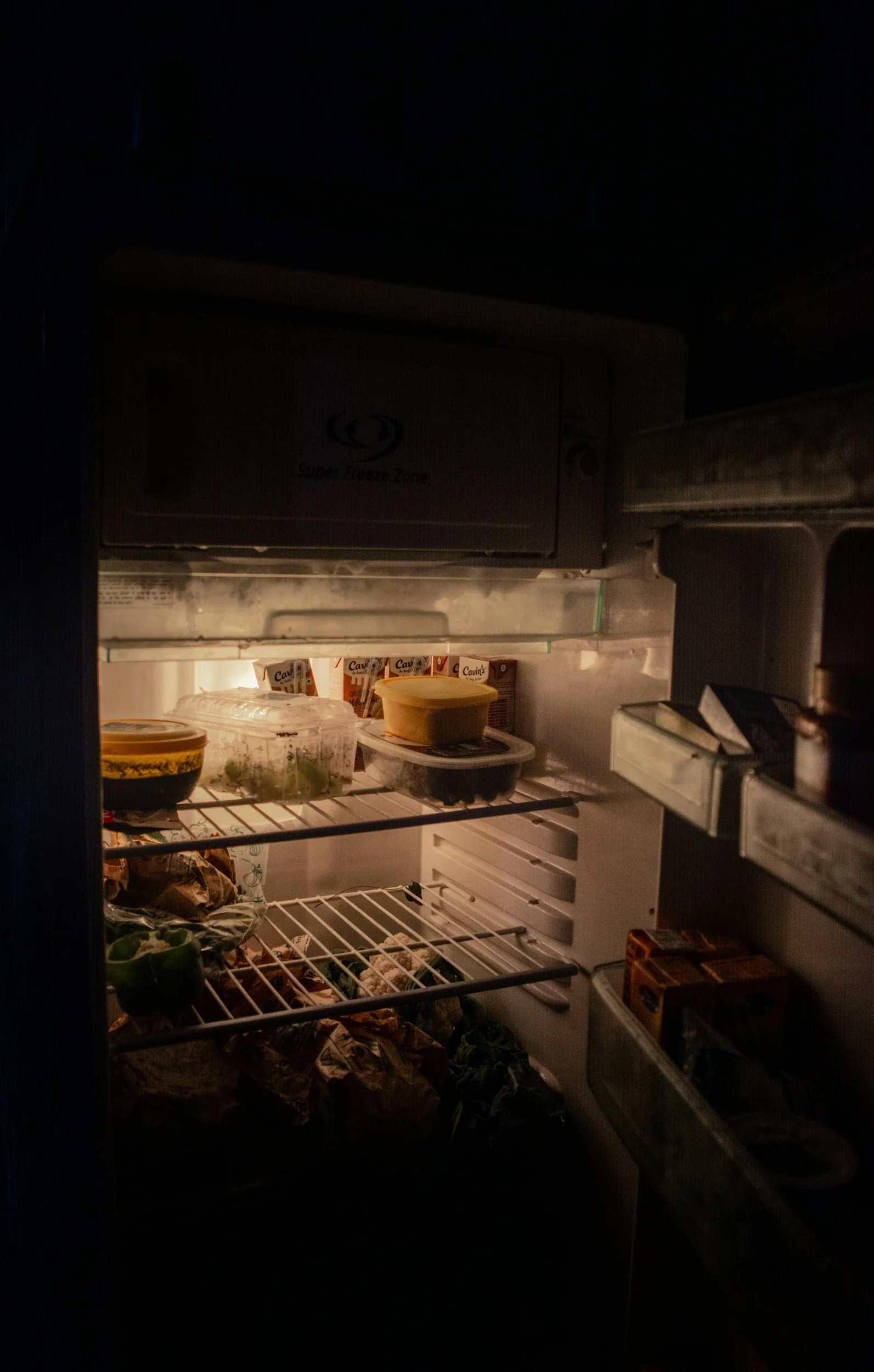
Before we blame our sweet tooth, emotional eating or lack of willpower, there’s one question worth asking:
Are we actually eating enough?
When we’re under-fed, genuine hunger and comfort cravings become incredibly difficult to separate. But when we start eating proper, satisfying meals, the noise gets quieter—and it becomes much easier to recognise when we need food and when we’re looking for comfort, reward or simply something delicious.
Feed the body first. Then get curious about what’s left.
The beginning is exciting. New plan, fresh motivation, we’re doing all the things.
Then a few weeks pass and suddenly it’s just… boring.
Same walks. Same meals. Same workouts. And the big exciting result hasn’t arrived yet.
This is the bit where health actually changes. Learn how to stop relying on results for motivation, recognise the quiet wins happening right now and keep showing up when the novelty has well and truly disappeared.
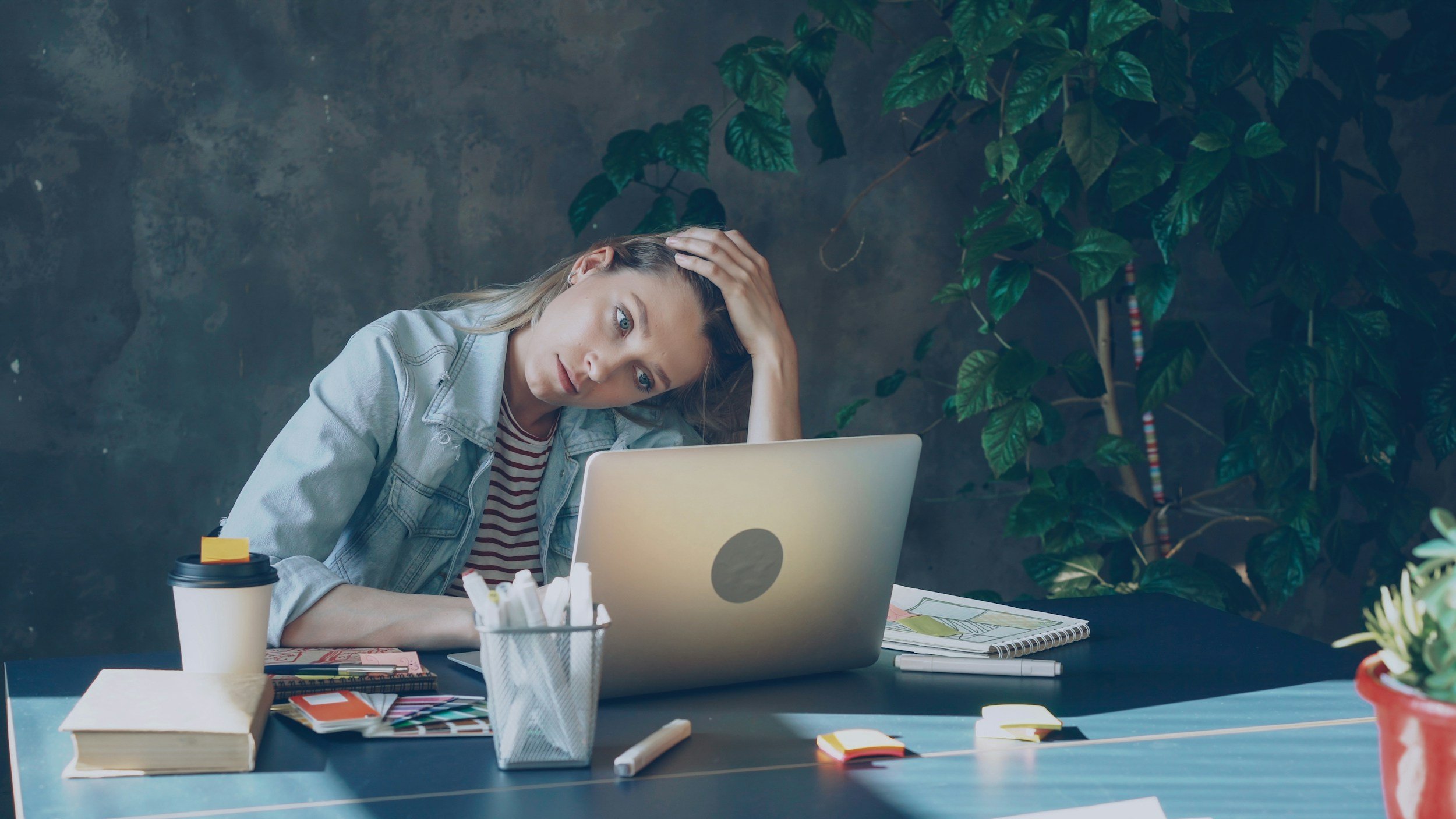
Sometimes the problem isn't knowing what to eat. It's having enough brain left to make it happen.
When work is hectic, the mental load is enormous and deciding what's for dinner feels like one decision too many, healthy eating can quickly disappear.
This isn't a guide to meal prep harder or find more motivation. It's about creating a low-battery version of healthy eating—simple meals, fewer decisions, familiar foods and realistic strategies that help us keep feeding our brain, body and muscles when life is absolutely kicking our arse.
Because healthy eating doesn't need to be impressive to work.
The chocolate tastes good now. The couch is comfortable now. The benefits of better health? They often arrive weeks, months or even years later.
That’s why delayed gratification matters.
This article explores how to get better at choosing what we want more over what we want right now—without turning health into restriction, punishment or endless willpower. It’s a practical skill that can support fat loss, energy, strength, sleep and long-term health, one intentional decision at a time.
Big goals are exciting.
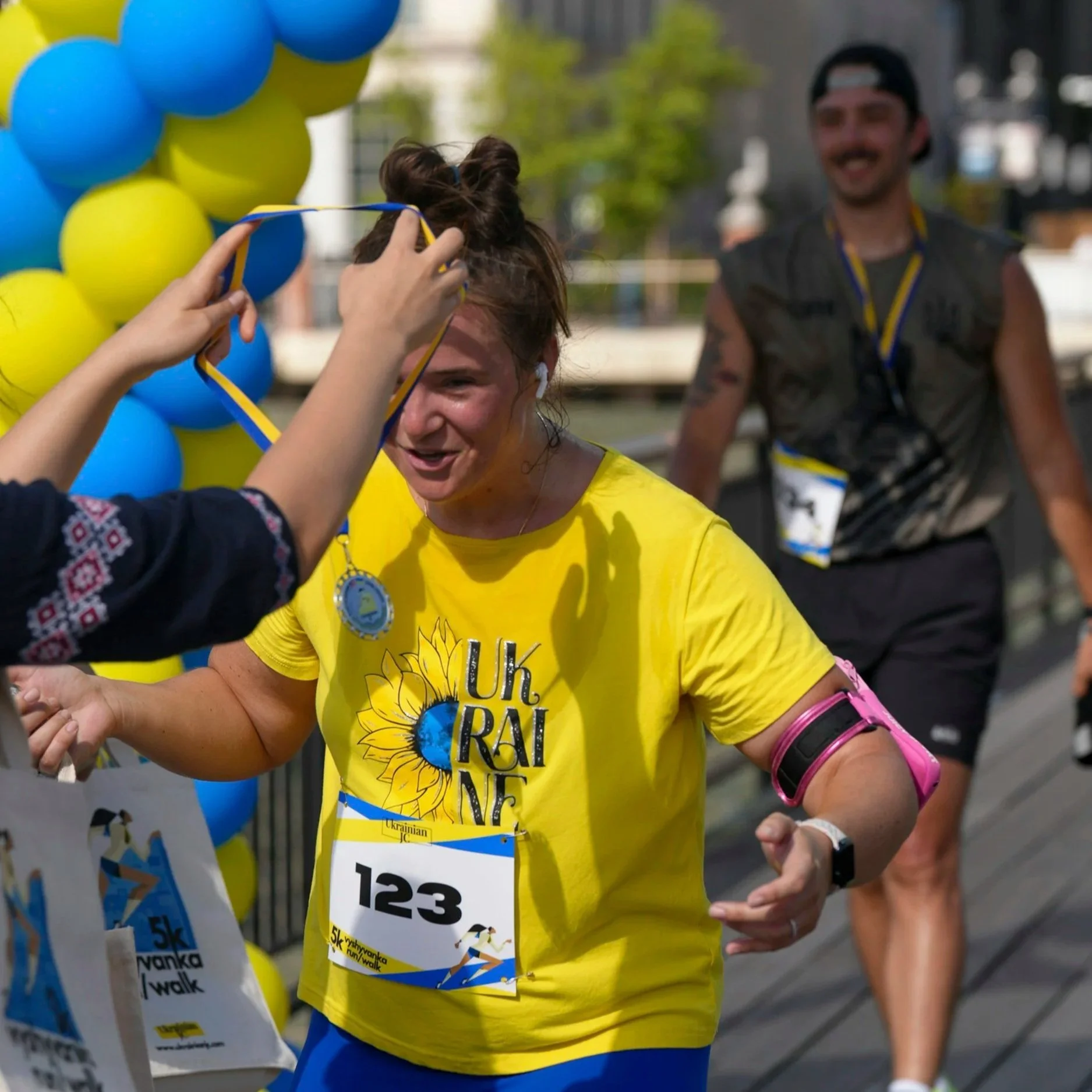
Lose 10kg. Get stronger. Run 5km. Improve your health. Feel like yourself again.
But then comes the tricky bit: what do we actually do today?
Using behaviour-change research and ideas from James Clear’s Atomic Habits, this article shows you how to work backwards from a big goal, turn it into ridiculously achievable actions and build a system you can actually stick to.
One of the hardest parts of improving your health isn't eating better or exercising more.
It's continuing to show up when it feels like nothing is changing.
We live in a world that rewards us instantly, so it's no surprise we expect our bodies to do the same. But real health doesn't work on overnight timelines. The first few weeks are often spent building habits, changing routines and laying foundations that aren't visible yet.
In this article, I'll explain why the first six weeks aren't about proving the plan works—they're about proving to yourself that you'll keep showing up long enough for it to.
We talk a lot about longevity. Strong bones at 70. A healthy heart. More muscle. Living longer.
But what about just surviving this week?
There’s tired from moving your body, building strength and actually using your muscles. Then there’s the tired that comes from feeling sluggish, under-fuelled, mentally drained and somehow exhausted despite barely moving.
Looking after ourselves takes effort—but that effort can give something back.
This article is about choosing the kind of hard that helps us feel stronger, clearer and more capable now, while quietly looking after future-us at the same time.
We often think a healthy life should be a steady climb upwards.
Eat well. Exercise consistently. Keep improving.
But real life has other plans.
Kids get sick. Careers become demanding. Hormones change. We experience grief, illness and seasons where simply getting through the day feels like enough.
This article explores why healthy habits aren't just for helping us make progress—they're there to help us cope. Because the goal isn't to be perfect through every season. It's to support ourselves through every one.
Most of us don't avoid tracking our food because it's too hard.
We avoid it because it asks us to look honestly at our habits—and that's uncomfortable.
I've felt it too.
In this article, we explore why awareness feels so confronting, how guilt keeps us stuck, and why replacing judgement with curiosity is one of the most powerful things we can do for our health.
There are millions of healthy recipes online, endless workout programs and enough nutrition advice to last a lifetime.
So why do so many of us still struggle to make healthy habits stick?
The answer probably isn't a lack of knowledge.
It's life.
In this article, I explore why motivation fades, why challenges often don't create lasting change, and how building habits that fit your real life—not your ideal life—is the key to finally making your health feel sustainable.
We've become obsessed with what healthy looks like. But real health isn't measured by your dress size or visible abs—it's measured by what your body allows you to do. Discover why becoming stronger, more capable and more resilient is a far better goal than simply becoming smaller.
The health industry loves fast results, but lasting fat loss is built differently. Discover why consistency beats motivation, how sustainable habits create lasting change and why slow progress may actually be your secret weapon.
Even health coaches have off weeks, skipped workouts and periods where life gets in the way. The secret isn't avoiding setbacks—it's learning how to recover from them and keep moving forward.
Ever felt like you're doing everything right but not seeing results? The truth is that the body you're living in today was largely built by the habits you've practised over the past few month
Small daily habits compound over time — for better or worse. Learn how tiny nutrition and lifestyle choices quietly shape your energy, weight, hormones, mindset and long-term health more than dramatic short-term effort ever will.
You eat breakfast… Then think about food by 10am. You have lunch… Then magically need “something sweet” at 2:30pm. You eat dinner… Then spend the evening opening cupboards like they personally offended you. Sound familiar? Despite what diet culture tells women, being constantly hungry is not a sign you “lack discipline.” Usually, it’s a sign your body needs something.
Tired of feeling overwhelmed by meal prep? This article shares realistic ways to eat healthy without spending your entire weekend cooking. Learn simple nutrition habits, low-effort meal ideas and sustainable healthy eating strategies that actually fit busy real life.
If you’ve been thinking:
👉 “I just can’t seem to get motivated anymore”
You’re not alone.
And you’re not broken.
Because what most women call “lack of motivation”…
👉 is usually something else entirely.
Mindset & Mental Health
You had a routine. You were exercising, eating well and finally finding your groove. Then… life happened.
Getting back into healthy habits isn't about punishing yourself, making up for lost time or jumping straight back in where you left off. It's about meeting yourself where you are now, starting smaller than your ego might like, and rebuilding your rhythm one manageable step at a time.
You haven't failed. You've been living. Now let's find a sensible way back in.
The chocolate tastes good now. The couch is comfortable now. The benefits of better health? They often arrive weeks, months or even years later.
That’s why delayed gratification matters.
This article explores how to get better at choosing what we want more over what we want right now—without turning health into restriction, punishment or endless willpower. It’s a practical skill that can support fat loss, energy, strength, sleep and long-term health, one intentional decision at a time.
Big goals are exciting.
Lose 10kg. Get stronger. Run 5km. Improve your health. Feel like yourself again.
But then comes the tricky bit: what do we actually do today?
Using behaviour-change research and ideas from James Clear’s Atomic Habits, this article shows you how to work backwards from a big goal, turn it into ridiculously achievable actions and build a system you can actually stick to.
One of the hardest parts of improving your health isn't eating better or exercising more.
It's continuing to show up when it feels like nothing is changing.
We live in a world that rewards us instantly, so it's no surprise we expect our bodies to do the same. But real health doesn't work on overnight timelines. The first few weeks are often spent building habits, changing routines and laying foundations that aren't visible yet.
In this article, I'll explain why the first six weeks aren't about proving the plan works—they're about proving to yourself that you'll keep showing up long enough for it to.
We talk a lot about longevity. Strong bones at 70. A healthy heart. More muscle. Living longer.
But what about just surviving this week?
There’s tired from moving your body, building strength and actually using your muscles. Then there’s the tired that comes from feeling sluggish, under-fuelled, mentally drained and somehow exhausted despite barely moving.
Looking after ourselves takes effort—but that effort can give something back.
This article is about choosing the kind of hard that helps us feel stronger, clearer and more capable now, while quietly looking after future-us at the same time.
"I'll start on Monday."
"When work settles down."
"When I feel more motivated."
We've all said it.
But what if we've been waiting for something that was never meant to come first?
Real change doesn't happen because we suddenly wake up feeling ready. It happens when the reason becomes important enough and we begin to believe we're capable of taking the next step.
In this article, I'll show you how to build both—so you can stop waiting for the perfect time and start creating lasting change, one small promise at a time.
We often think a healthy life should be a steady climb upwards.
Eat well. Exercise consistently. Keep improving.
But real life has other plans.
Kids get sick. Careers become demanding. Hormones change. We experience grief, illness and seasons where simply getting through the day feels like enough.
This article explores why healthy habits aren't just for helping us make progress—they're there to help us cope. Because the goal isn't to be perfect through every season. It's to support ourselves through every one.
Most of us don't avoid tracking our food because it's too hard.
We avoid it because it asks us to look honestly at our habits—and that's uncomfortable.
I've felt it too.
In this article, we explore why awareness feels so confronting, how guilt keeps us stuck, and why replacing judgement with curiosity is one of the most powerful things we can do for our health.
There are millions of healthy recipes online, endless workout programs and enough nutrition advice to last a lifetime.
So why do so many of us still struggle to make healthy habits stick?
The answer probably isn't a lack of knowledge.
It's life.
In this article, I explore why motivation fades, why challenges often don't create lasting change, and how building habits that fit your real life—not your ideal life—is the key to finally making your health feel sustainable.
We've been taught to judge health by what we see in the mirror.
But real health has very little to do with having the "perfect" body.
In this article, I explore why muscle, bone density, cardiovascular fitness, brain health and happiness are far better measures of wellbeing—and why building a capable body is one of the greatest investments you can make in your future.
Getting healthy isn't just about motivation or willpower. The people you surround yourself with can have a bigger impact on your success than you realise.
Discover why community is one of the most powerful tools for building lasting healthy habits—and why you don't have to do it alone.
Most of your daily choices happen on autopilot. Learn how habits shape your behaviour, why they can work against you, and how to retrain your brain so healthy choices become the easy, automatic ones.
We've become obsessed with what healthy looks like. But real health isn't measured by your dress size or visible abs—it's measured by what your body allows you to do. Discover why becoming stronger, more capable and more resilient is a far better goal than simply becoming smaller.
If you constantly tell yourself you’re too tired, too busy or that the timing “just doesn’t work”, you’re not alone. The stories we repeat in our heads shape the habits we build — often without us even realising it. In this article, I unpack the common excuses that keep people stuck and how to shift your internal dialogue so it starts supporting your health goals instead of sabotaging them.
I want to chat to you about what it truly means to be healthy. There’s physical health and there’s mental health. I believe they are joined at the hip and you cannot sustainably have one without the other
Macro, micronutrients & recipes
Sometimes the problem isn't knowing what to eat. It's having enough brain left to make it happen.
When work is hectic, the mental load is enormous and deciding what's for dinner feels like one decision too many, healthy eating can quickly disappear.
This isn't a guide to meal prep harder or find more motivation. It's about creating a low-battery version of healthy eating—simple meals, fewer decisions, familiar foods and realistic strategies that help us keep feeding our brain, body and muscles when life is absolutely kicking our arse.
Because healthy eating doesn't need to be impressive to work.
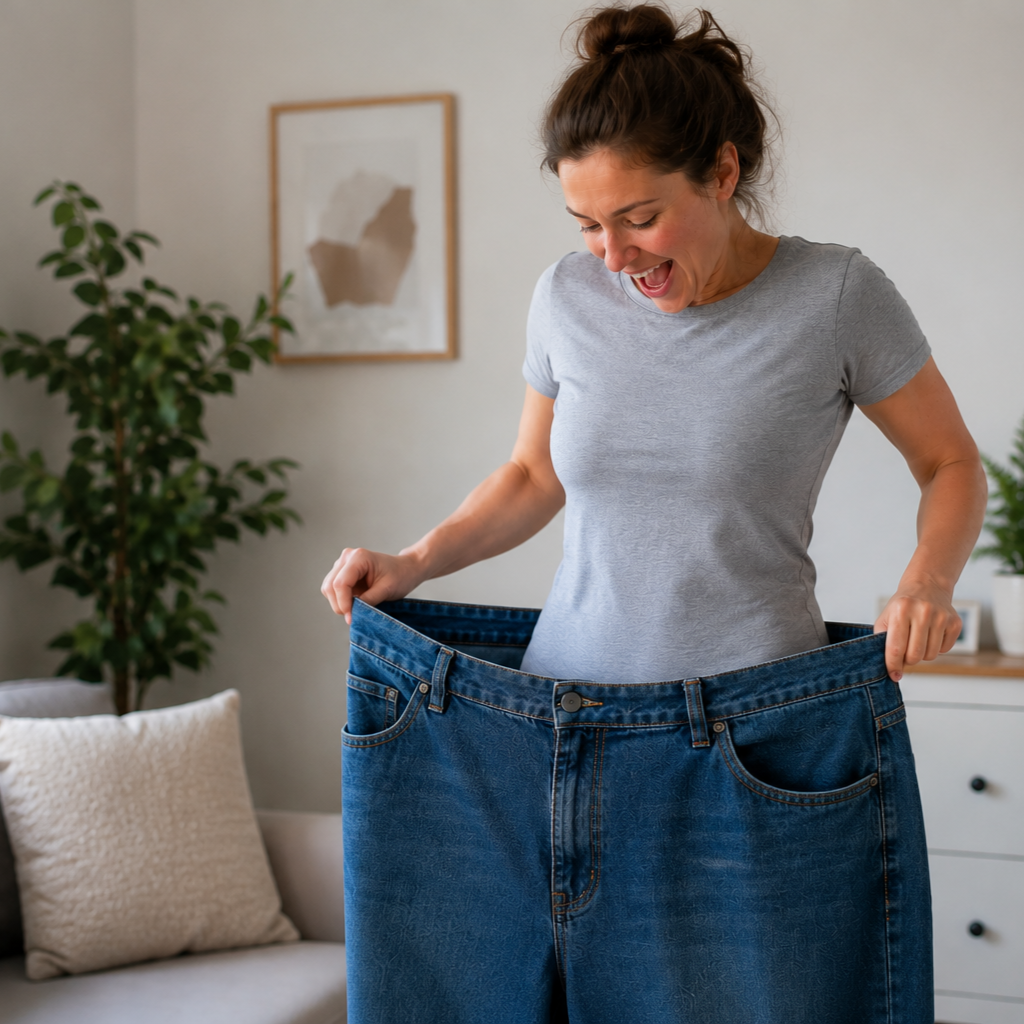
You’re eating roughly the same. You’re still exercising. Maybe you’re actually more conscious of your health than you were ten years ago.
So why are your jeans tighter and your body suddenly storing weight differently?
Our 40s can bring changes to hormones, muscle mass, sleep, appetite, daily movement and body composition—and the strategies that worked at 30 may need adjusting.
This isn’t about blaming everything on hormones or accepting that weight gain is inevitable. It’s about understanding what has actually changed, so we can stop fighting our bodies and start using a smarter strategy for the body we have now.
Tired of feeling overwhelmed by meal prep? This article shares realistic ways to eat healthy without spending your entire weekend cooking. Learn simple nutrition habits, low-effort meal ideas and sustainable healthy eating strategies that actually fit busy real life.
Somewhere along the way, healthy eating got confused with elaborate recipes, perfectly chopped vegetables and spending your Sunday bulk-cooking quinoa in matching containers.
Meanwhile, real life looks more like: “What can I make in 15 minutes before someone melts down?”
You know that feeling where you just feel… ugh? Heavy. Puffy. Swollen. Sluggish. Your rings feel tight. Your clothes feel uncomfortable. Your stomach feels stretched. Your face looks puffier than usual. You just don’t feel like yourself in your own body. And somehow it can happen even when you’re “being good.” This is one of the most common things women tell me — especially busy women in their late 30s, 40s and 50s.
And no, it’s not always fat gain.
Fat Loss
Before we blame our sweet tooth, emotional eating or lack of willpower, there’s one question worth asking:
Are we actually eating enough?
When we’re under-fed, genuine hunger and comfort cravings become incredibly difficult to separate. But when we start eating proper, satisfying meals, the noise gets quieter—and it becomes much easier to recognise when we need food and when we’re looking for comfort, reward or simply something delicious.
Feed the body first. Then get curious about what’s left.
The beginning is exciting. New plan, fresh motivation, we’re doing all the things.
Then a few weeks pass and suddenly it’s just… boring.
Same walks. Same meals. Same workouts. And the big exciting result hasn’t arrived yet.
This is the bit where health actually changes. Learn how to stop relying on results for motivation, recognise the quiet wins happening right now and keep showing up when the novelty has well and truly disappeared.
Sometimes the problem isn't knowing what to eat. It's having enough brain left to make it happen.
When work is hectic, the mental load is enormous and deciding what's for dinner feels like one decision too many, healthy eating can quickly disappear.
This isn't a guide to meal prep harder or find more motivation. It's about creating a low-battery version of healthy eating—simple meals, fewer decisions, familiar foods and realistic strategies that help us keep feeding our brain, body and muscles when life is absolutely kicking our arse.
Because healthy eating doesn't need to be impressive to work.
You’re eating roughly the same. You’re still exercising. Maybe you’re actually more conscious of your health than you were ten years ago.
So why are your jeans tighter and your body suddenly storing weight differently?
Our 40s can bring changes to hormones, muscle mass, sleep, appetite, daily movement and body composition—and the strategies that worked at 30 may need adjusting.
This isn’t about blaming everything on hormones or accepting that weight gain is inevitable. It’s about understanding what has actually changed, so we can stop fighting our bodies and start using a smarter strategy for the body we have now.
Getting healthy isn't just about motivation or willpower. The people you surround yourself with can have a bigger impact on your success than you realise.
Discover why community is one of the most powerful tools for building lasting healthy habits—and why you don't have to do it alone.
You don't need to lose 20 kilos or reinvent yourself to enjoy the benefits of better health. Learn why small, sustainable improvements can create lasting change over time.
Many women know they should prioritise their health but struggle to get started because nothing feels urgent. Discover how to find a deeper reason for change and build healthy habits that last.
Fat loss isn't just about what you eat. Learn the 5 non-food habits that can make a huge difference to your results, from walking and sleep to stress management and consistency.
If you're always hungry, fat loss can feel impossible. Learn the 5 simple nutrition strategies that help reduce hunger, control cravings and keep you satisfied for longer.
The health industry loves fast results, but lasting fat loss is built differently. Discover why consistency beats motivation, how sustainable habits create lasting change and why slow progress may actually be your secret weapon.
If you’ve been thinking:
👉 “I just can’t seem to get motivated anymore”
You’re not alone.
And you’re not broken.
Because what most women call “lack of motivation”…
👉 is usually something else entirely.
There’s a thought many women have… but don’t always say out loud. “I don’t feel like myself anymore.” Not dramatically.
Not in a way that anyone else would necessarily notice. Just quietly. You’re more tired. More stretched. Less like the version of you that used to feel energised, confident and in control. And somewhere along the way, you’ve started to assume: “This is just how it is now.”
If that’s how you’ve been feeling — you’re not alone. And more importantly… 👉 It’s not permanent.
You’re doing what you think you’re “supposed” to do. And yet… nothing is really changing.You might feel:
• tired more often than you expect
• hungry all the time (or not at all)
• unsure if you’re eating too much or too little
• frustrated that your effort isn’t translating into results
If that sounds familiar, you’re not alone. This is one of the most common situations I see with women I work with. And the truth is — it’s rarely a motivation problem.
Feeling hungry all the time can be frustrating.
You might notice that you:
finish a meal and feel hungry again soon after
constantly think about food
snack frequently throughout the day
struggle to feel satisfied even when eating “healthy”
Many people assume this means they simply need more discipline.
But in reality, constant hunger is usually a signal that something in your nutrition or lifestyle needs adjusting.
Many women reach a point where they feel like they’re doing all the right things.
You might be:
• cooking most meals at home
• eating plenty of vegetables
• choosing whole foods
• exercising regularly
And yet… the scale doesn’t change.
Or it slowly creeps up.
One of the most common frustrations women experience in their 40s and my clients when they come to me is this:
Weight gain around the stomach that seems to appear out of nowhere.
You might notice that:
your waistline feels thicker
clothes fit differently around the middle
fat seems to sit around your stomach more than it used to
Even women who eat reasonably well and exercise regularly often say: “I never used to gain weight in this area before.”
If this sounds familiar, you’re not imagining things.
If you’ve ever tried to lose weight and thought:
“Why am I so hungry all the time?”
“Is fat loss supposed to feel this hard?”
“How do people stick to a diet without constantly thinking about food?”
You’re not alone.
Constant hunger is one of the biggest reasons women give up on fat loss.
If you’re in a calorie deficit and fat loss feels slower than it should…
or you’re exhausted from trying to “do more cardio”…
Walking might be the missing piece.
Not more HIIT.
Not eating less.
Not pushing harder.
Just more daily movement.
If you’ve found yourself Googling:
“Why am I gaining weight in my 40s?”
“Why is my belly getting bigger?”
“Has my metabolism slowed down?”
You’re not imagining it.
But it’s also not because your body is “broken.”
Let’s unpack what’s actually happening — and what works.
If you feel like your body has changed overnight — but your habits haven’t — you’re not imagining it.
“Weight gain in my 40s”
“Perimenopause weight gain”
“Hormones and weight gain”
These are some of the most searched health questions for women right now.
If you’ve ever typed “Does Pilates burn fat?” into Google, you’re not alone.
A lot of women want to know whether Pilates is “enough” — especially if they’re trying to improve body composition, feel stronger, or lose fat.
So let’s answer it clearly.
“Why doesn’t my body respond like that?”
—you’re not broken. You’re human.
One of the biggest mistakes women make with health and fat loss is following advice that doesn’t suit their natural body structure.
You can improve strength, energy and body composition —
but you can’t change your bone structure or genetics.
Movement
You had a routine. You were exercising, eating well and finally finding your groove. Then… life happened.
Getting back into healthy habits isn't about punishing yourself, making up for lost time or jumping straight back in where you left off. It's about meeting yourself where you are now, starting smaller than your ego might like, and rebuilding your rhythm one manageable step at a time.
You haven't failed. You've been living. Now let's find a sensible way back in.
Getting healthy isn't just about motivation or willpower. The people you surround yourself with can have a bigger impact on your success than you realise.
Discover why community is one of the most powerful tools for building lasting healthy habits—and why you don't have to do it alone.
Want to be healthier but don't relate to gym culture or health obsession? Learn how to improve your fitness, energy and wellbeing without becoming a fitness fanatic or changing who you are.
There’s a thought many women have… but don’t always say out loud. “I don’t feel like myself anymore.” Not dramatically.
Not in a way that anyone else would necessarily notice. Just quietly. You’re more tired. More stretched. Less like the version of you that used to feel energised, confident and in control. And somewhere along the way, you’ve started to assume: “This is just how it is now.”
If that’s how you’ve been feeling — you’re not alone. And more importantly… 👉 It’s not permanent.
You’re doing what you think you’re “supposed” to do. And yet… nothing is really changing.You might feel:
• tired more often than you expect
• hungry all the time (or not at all)
• unsure if you’re eating too much or too little
• frustrated that your effort isn’t translating into results
If that sounds familiar, you’re not alone. This is one of the most common situations I see with women I work with. And the truth is — it’s rarely a motivation problem.
Exercise is often promoted as something that boosts energy.
And for many people it does.
But some women find themselves exercising regularly and still feeling exhausted.
You might notice:
low energy during the day
fatigue after workouts
difficulty recovering from training
If this sounds familiar, several factors could be contributing.
Many women begin exercising more to improve their health or lose weight.
But sometimes the opposite seems to happen.
You might notice:
the scale increasing
clothes fitting differently
feeling frustrated despite consistent workouts
This situation is more common than people realise.
If you’re in a calorie deficit and fat loss feels slower than it should…
or you’re exhausted from trying to “do more cardio”…
Walking might be the missing piece.
Not more HIIT.
Not eating less.
Not pushing harder.
Just more daily movement.
If you’re over 40 and trying to improve body composition, you’ve probably asked yourself:
Should I be in the gym lifting heavy…Or is Pilates enough?
It’s a fair question — especially when social media makes it look like fat loss only happens through intense gym sessions, sweat puddles and heavy barbells.
If you’ve ever typed “Does Pilates burn fat?” into Google, you’re not alone.
A lot of women want to know whether Pilates is “enough” — especially if they’re trying to improve body composition, feel stronger, or lose fat.
So let’s answer it clearly.
Many women ask:
“Do I really need Pilates if I already lift weights or do classes?”
The answer isn’t either/or — it’s about what your body needs most right now.
When it comes to starting (or restarting) your fitness journey, it’s tempting to jump straight into heavy weightlifting, punishing cardio sessions, or signing up for the local running club. These activities can be fantastic in the right context — but without the right foundation, they can also leave you sore, burned out, or injured before you even get going. This is where Pilates steps in — slow, steady, and deceptively powerful. While it may not have the sweat-dripping intensity of a bootcamp, the benefits run deep and long-term.
Perimenopause, Hormones & Metabolic Signals
You’re eating roughly the same. You’re still exercising. Maybe you’re actually more conscious of your health than you were ten years ago.
So why are your jeans tighter and your body suddenly storing weight differently?
Our 40s can bring changes to hormones, muscle mass, sleep, appetite, daily movement and body composition—and the strategies that worked at 30 may need adjusting.
This isn’t about blaming everything on hormones or accepting that weight gain is inevitable. It’s about understanding what has actually changed, so we can stop fighting our bodies and start using a smarter strategy for the body we have now.
All Articles
“It’s Just Age…” Nope! These ‘Normal’ Symptoms Are Actually Signs of Poor Health (Not Getting Older)
Ever been told that your sore joints, stubborn belly fat, fatigue, or bloating are “just part of getting older”?
Here’s the truth: aging may be natural—but feeling like crap isn’t.
A huge number of the symptoms people chalk up to “getting older” are actually signs of poor health habits, preventable muscle loss, or imbalanced nutrition—not age itself.
Why You’re Always Looking for a Snack (And How to Fix It With Simple Nutrition Tweaks)
Ever feel like you’re constantly thinking about food?
You eat breakfast… and then an hour later, you’re already peeking in the pantry.
You finish lunch… and still feel like something’s missing.
You can’t seem to make it through the afternoon without something—sweet, salty, crunchy, anything.
How to Keep Moving Your Body in Winter (and Why You’ll Be Glad You Did)
When winter rolls in, it’s all too easy to hit pause on your usual movement routine. The mornings are darker, the bed is warmer, and the last thing you feel like doing is jumping into a cold workout or going for a walk in the wind.
But here’s the thing: your body still craves movement—even when your brain is saying “blanket and Netflix.”
The Secret Weapon for Fat Loss & Strength as a Busy Mum? A Weekly Routine That Actually Works
Let’s be honest: life is busy. Between work, kids, appointments, and endless to-dos, it can feel like there's no space left for your own health goals.
But here’s the truth: you don’t need more time. You just need a plan.
“I’ve Tried Everything and Still Can’t Lose Weight!”—The Hard Truths (and the Hope You Need)
If you’ve ever stood in front of your mirror, feeling frustrated, defeated, or just plain confused, you’re not alone. You’ve cut the carbs. You’ve done the workouts. You’ve said no to dessert more times than you can count. You’ve tried everything — or so it feels. And yet… nothing seems to change. Here’s the honest truth: there’s always a reason. It may not be what you expect. It might not be easy to hear. But it is figure-out-able. And more importantly—it’s fixable.
In a Calorie Deficit but no fat loss? More cardio isn’t the answer
You’re in a calorie deficit. You’ve cut back on snacks, skipped the wine, and maybe even doubled your workouts. But… the scale isn’t moving. Your clothes still feel the same. And you're wondering: "What else can I possibly do?"
Tired, Craving Sugar, and Gaining Weight? It Could Be Insulin Imbalance
When it comes to losing body fat, most women focus on calories, exercise, or cutting carbs. But there’s a powerful (and often overlooked) hormone working behind the scenes that can either support your fat-loss goals—or quietly get in the way. That hormone is insulin.
Why Your Body Needs 12 Weeks to Truly Burn Fat — Not Just Drop Water Weight
When you’re trying to lose fat, you need to eat fewer calories than your body burns — this is called a calorie deficit. While that sounds simple, meaningful and sustainable fat loss doesn’t happen overnight. Here’s why the 12-week timeframe matters:
Healthy Eating IS Affordable—Here’s How to Make It Happen
Eating nutritious meals doesn’t have to be expensive. With the right strategies, you can fuel your body with wholesome food while sticking to your budget. Whether you're feeding a family or just yourself, eating well is achievable—and surprisingly satisfying—when you take a little time to plan.
Here’s how to make it work:
What’s Really in That Snack? Why Ditching Ultra-Processed Foods Could Be the Best Thing You Do for Your Health
You want to nourish your body, protect your family, and feel good in your skin—but in a world full of “quick and easy” foods, it can feel hard to know where to start. Ultra-processed foods are everywhere: lunchboxes, supermarket aisles, work snacks, and weeknight dinners. But these convenience foods come at a cost—and it’s not just in your wallet.
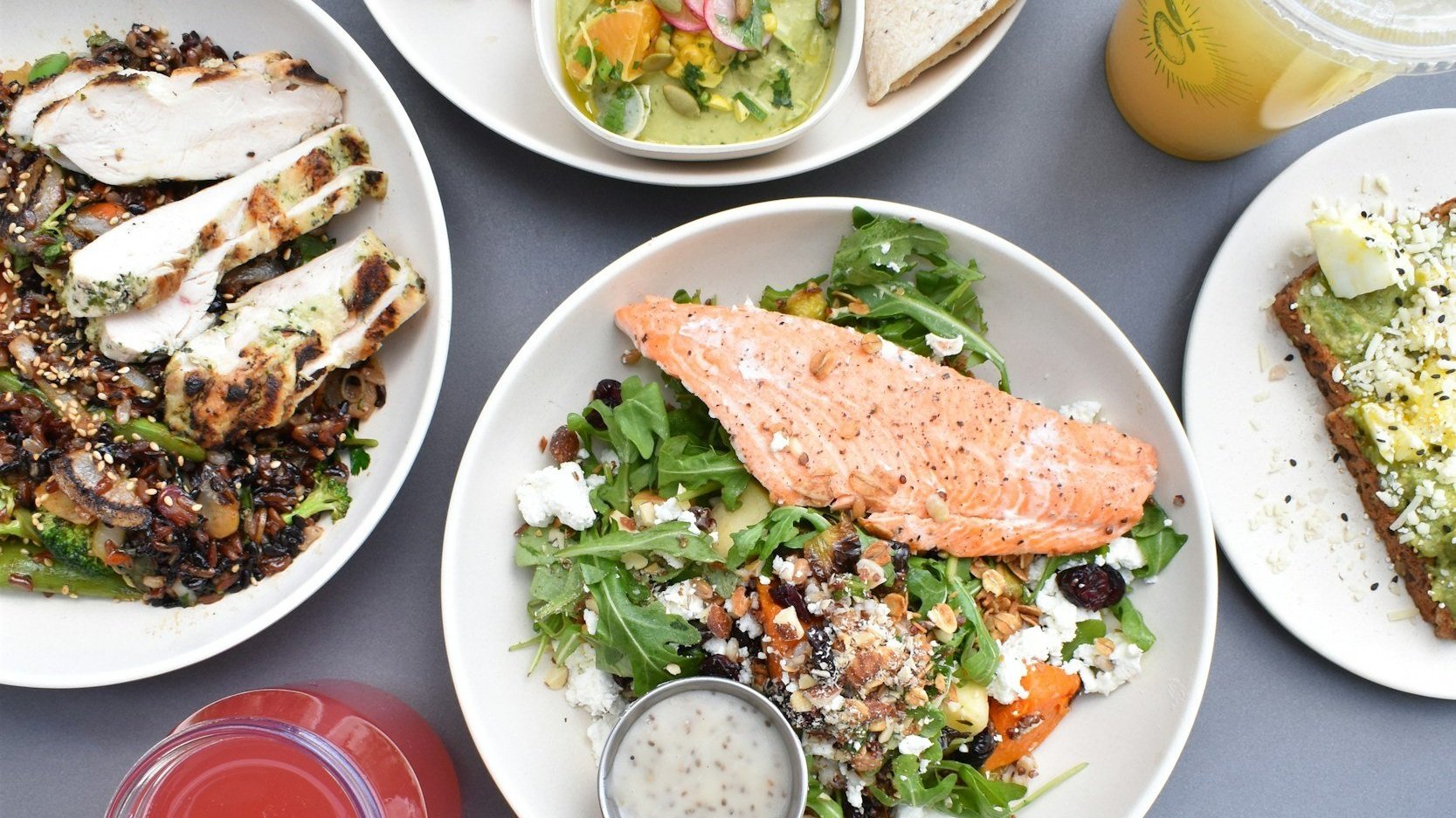
Powerful Protein: How to Hit 100g a Day and Why It Matters More Than You Think
As we age, our bodies change—hormones shift, metabolism slows, and we often find it harder to stay lean, energised, and strong. One key nutrient that becomes even more important from your mid-30s and beyond? Protein.
Beyond Aesthetics: The Health Risks of Belly Fat and Low Muscle You Can’t Afford to Ignore.
As we move through our 30s, 40s, 50s and beyond, it’s not uncommon to notice a few extra kilos settling around the belly, or feel that tasks like lifting shopping bags or climbing stairs take more effort than they used to. While some of this is part of the natural ageing process, it’s important not to ignore what’s happening underneath the surface. This isn’t just about how your body looks—it’s about how your body functions and how you feel every day.
🔥 The Hormone That Helps You Lose Fat, Control Hunger & Feel Full — Naturally (No Ozempic Needed)
If you’ve been hearing about Ozempic or other “weight loss injections,” you’ve likely come across the term GLP-1. It’s a hormone that plays a powerful role in how your body manages blood sugar, hunger, and even weight. But what is GLP-1, what does it do, and—more importantly—how can you support it naturally?
The benefits of breath
If you come to my Pilates classes you'll hear me talk a lot about breathing technique, the benefits & cue you to coordinate breath with movement. I believe breath is THE most vital tool in Pilates and will benefit you way beyond the class.
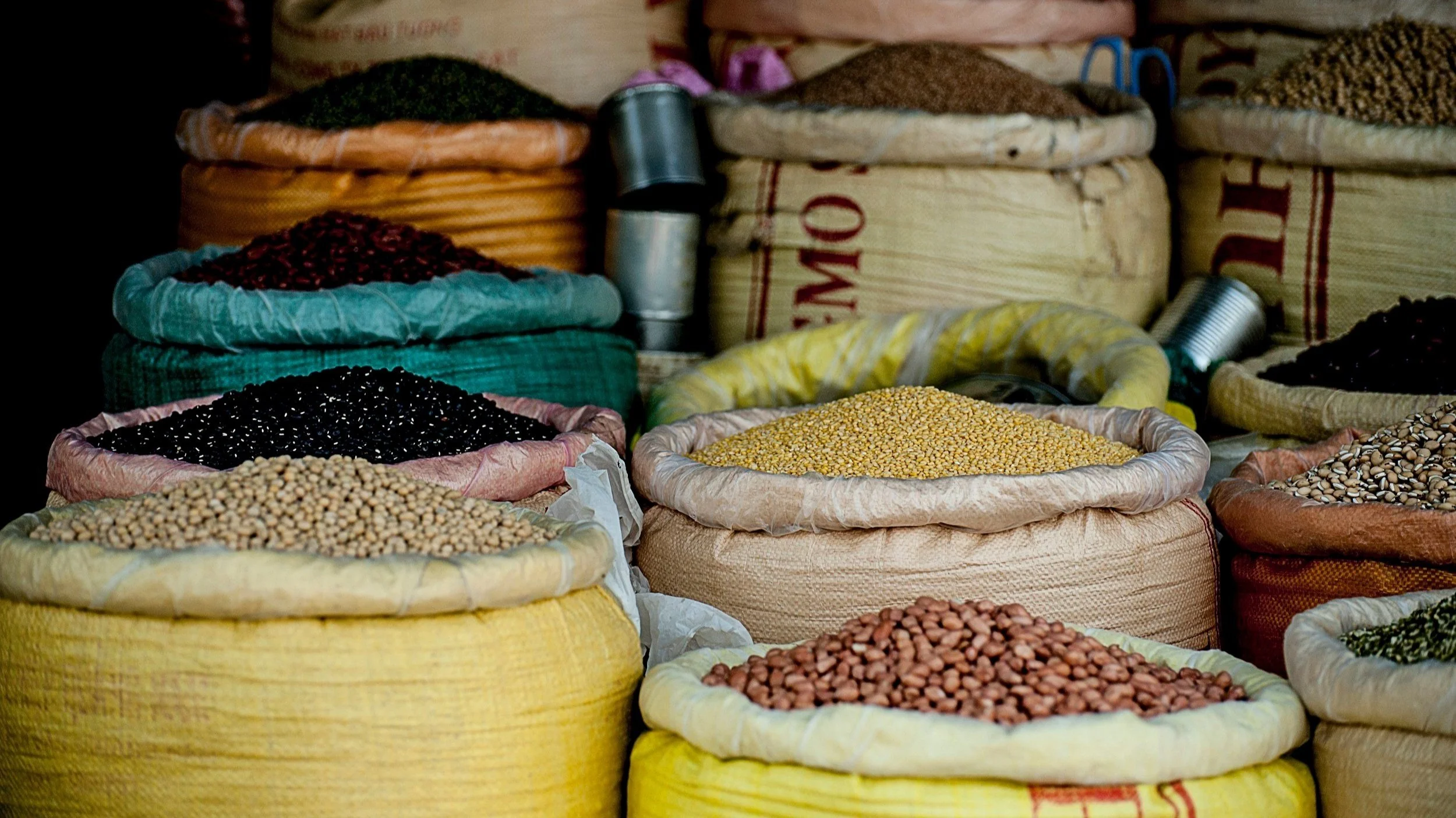
The Power of Plant-Based Protein: How to Get All the Nutrients You Need without living on protein shakes
If you’re eating more plant-based meals, you might be wondering: Am I getting enough protein? Unlike animal-based proteins, which naturally contain all nine essential amino acids, most plant-based sources lack one or more of these vital building blocks. But don’t worry—there’s an easy way to get all the protein your body needs!
Why Eating Regularly is Essential for Fat Loss, Energy & Exercise Performance
Many women try to eat less by skipping meals, thinking it will help them lose fat. But in reality, eating regularly throughout the day is one of the best things you can do for fat loss, energy, focus, and performance in your workouts.
Gut Health & Body Composition: Why Your Microbiome Matters
If you’ve ever felt like you’re doing everything “right” but still struggling with your weight, your gut health might be the missing piece of the puzzle. Your gut isn’t just responsible for digestion—it plays a huge role in metabolism, inflammation, cravings, and even your mood. So, if you’re serious about maintaining a healthy weight, taking care of your gut is a must!
10 tips for stress management during peri-menopause (or nearing it)
Stress is a significant factor that can worsen peri-menopausal symptoms like mood swings, sleep disturbances, and weight gain. When we’re stressed, our bodies release cortisol, a hormone that, when elevated for too long, can throw other hormones like estrogen, progesterone, and insulin out of balance. Here are some practical tips to help manage stress and support hormonal health during this phase of life.
Unlock the Secret to Balancing Hormones in Peri-Menopause: Simple Food and Movement Hacks You Need to Know
Peri-menopause, the transitional phase before menopause, often brings hormonal fluctuations that can affect mood, sleep, hunger, bloating, and weight gain. While this phase is a natural part of aging, its symptoms can be frustrating and disruptive. The good news is that lifestyle factors, particularly food and movement, can play a key role in managing these changes and keeping hormones more balanced.
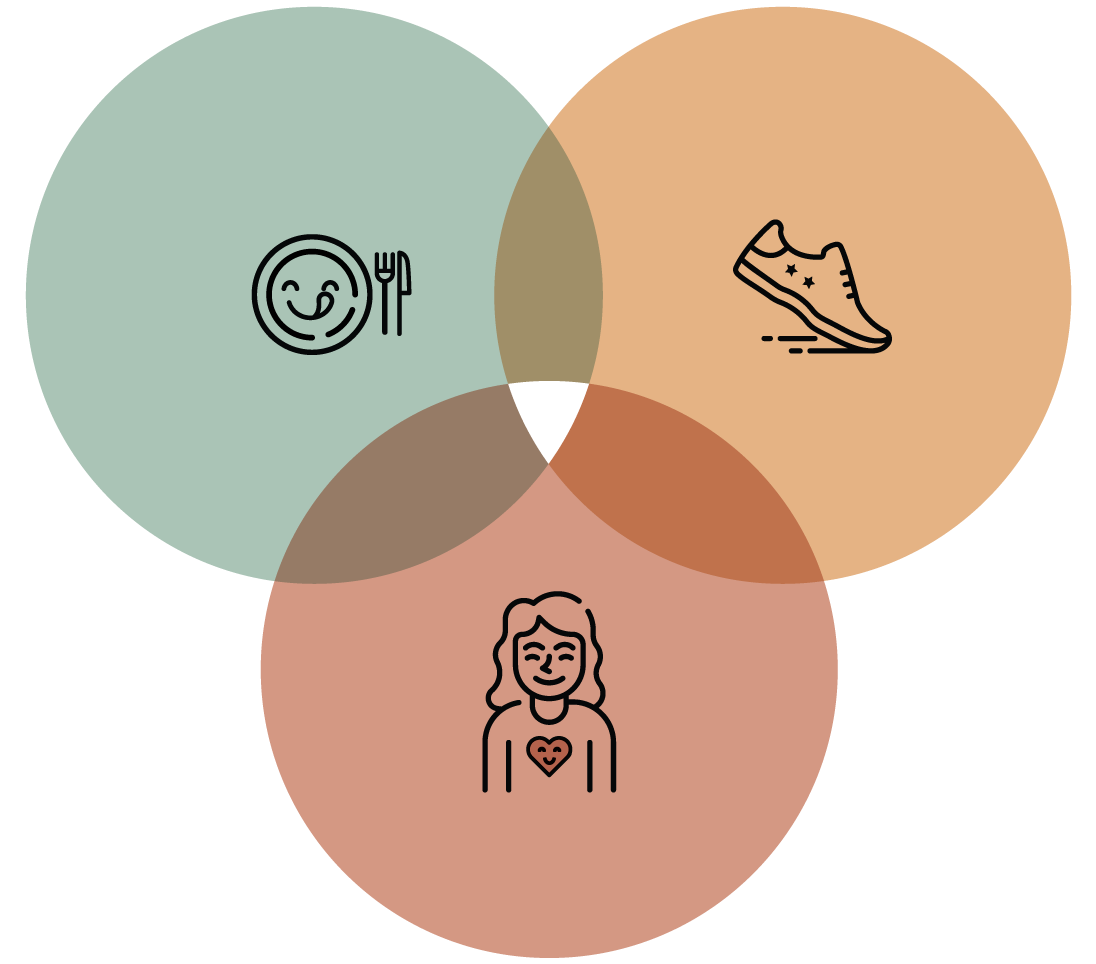
The Three Pillars of Health: The third one might surprise you! (it’s actually the most important)
As we journey through life, maintaining good health becomes not just about appearance, but about how we feel—how much energy we have, how well we sleep, and how strong our bodies and minds are. Focusing on the three key pillars of health—Movement, Nutrition and Mind—are key to feeling your best every day. Let’s dive into why each of these matters and how you can incorporate them into your life.