

Why Am I Addicted to Sugary Treats? The Real Reasons Women Crave Sugar
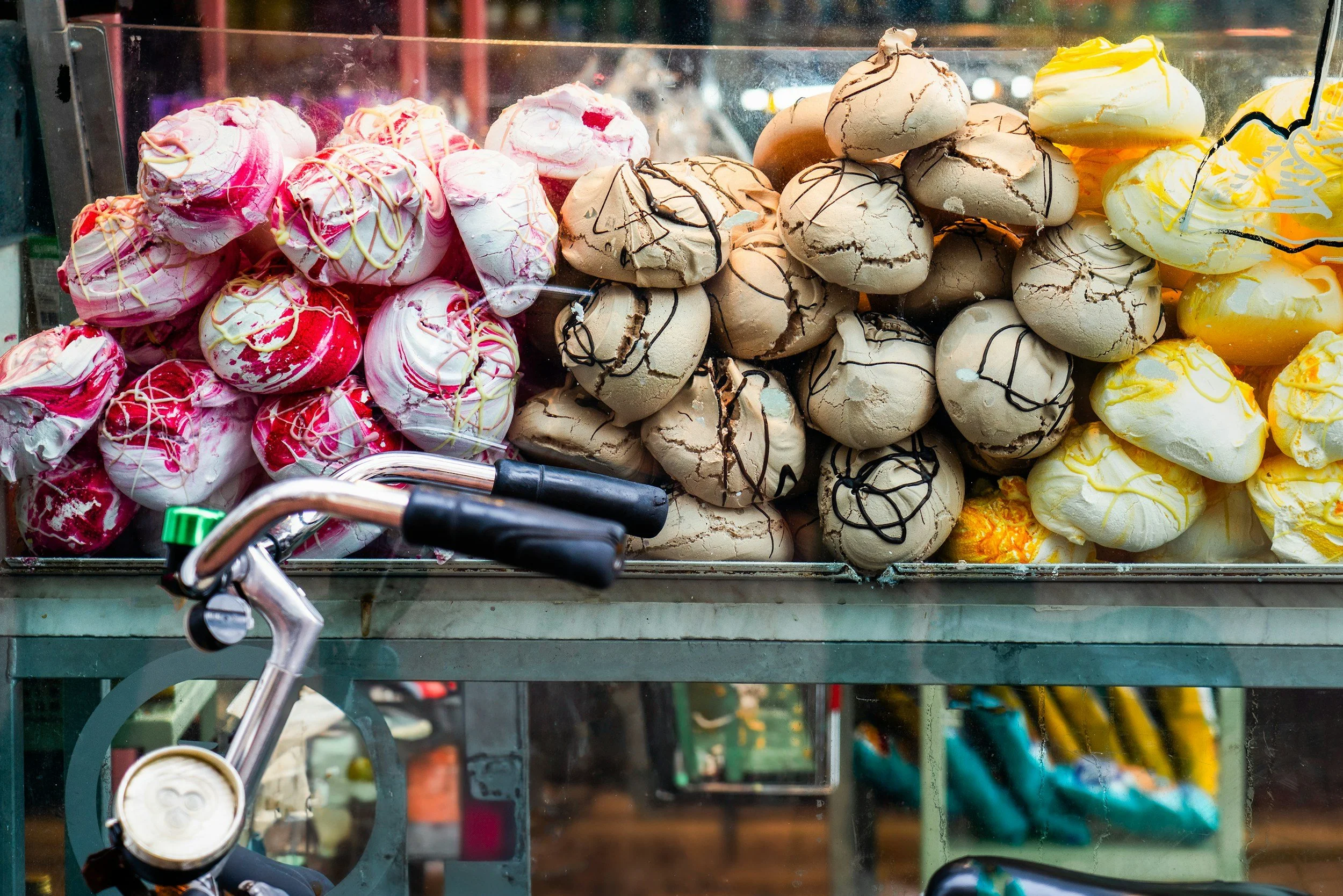
If you feel like you need chocolate after dinner, can’t stop at one biscuit, or find yourself raiding the pantry when you’re stressed, tired or overwhelmed — you’re not weak, lazy or “lacking willpower.”
There’s usually a reason your body and brain keep asking for sugary foods.
And honestly? For busy women juggling work, kids, mental load, hormones, lack of sleep and stress… sugary treats often become less about “being naughty” and more about survival mode.
The good news is: once you understand why the cravings are happening, you can work with your body instead of fighting it.
Sugar Isn’t Just About Hunger
Most people think sugar cravings mean they “love junk food.”
But cravings are often your body trying to solve a problem.
Sometimes that problem is:
low energy
stress
poor sleep
under-eating
emotional exhaustion
unstable blood sugar
restriction and dieting
habit and reward pathways in the brain
Sugary foods work fast. They give quick energy, quick comfort and quick dopamine.
That’s why they become so easy to rely on.
Your Brain Loves Quick Dopamine
Sugary foods stimulate dopamine — the “feel good” chemical linked to pleasure and reward.
When life feels stressful, repetitive, emotionally draining or exhausting, your brain naturally looks for easy dopamine hits.
That can look like:
chocolate after bedtime chaos
bakery runs during work stress
late-night pantry picking
“I deserve this” treats after a hard day
It’s not just about the sugar itself.
It’s often about:
comfort
relief
stimulation
escape
reward
emotional decompression
For many women, sugary treats become the only moment in the day that feels enjoyable or just for them.
You Might Actually Be Under-Fuelled
This is a huge one.
Many women trying to lose weight accidentally eat:
too little protein
not enough fibre
not enough overall food
tiny “healthy” meals that don’t satisfy them
Then by 3pm or 8pm, the cravings hit like a truck.
Your body is smart. If it thinks food is scarce, it will push you toward quick-energy foods.
And sugar is the fastest fuel source available.
Restriction Often Backfires
The more foods become “forbidden,” the more emotionally powerful they become.
If your mindset is:
“I can’t have chocolate”
“I was good all day”
“I ruined everything”
“I’ll start again Monday”
…you’re creating a cycle where sugary foods become emotionally charged.
Restriction increases obsession.
That’s why many women swing between:
trying to be “perfect”
craving sugar intensely
overeating it
feeling guilty
restarting the cycle
Real food freedom usually comes from learning how to include enjoyable foods without chaos or guilt.
Poor Sleep Makes Sugar Cravings Worse
When you’re tired, your hunger hormones change.
Sleep deprivation can:
increase hunger
reduce fullness signals
increase cravings for fast carbs and sugar
lower impulse control
So if you’re exhausted and craving chocolate every night… your body isn’t broken.
It’s tired.
For busy mums especially, this matters more than most people realise.
Stress Changes Your Food Choices
High stress often increases cravings for:
sugar
refined carbs
salty snack foods
comfort foods
Why?
Because your brain wants quick energy and emotional relief.
When cortisol (your stress hormone) stays elevated for long periods, your body becomes more driven toward highly rewarding foods.
This is why stressful seasons often come with:
emotional eating
mindless snacking
“I just can’t stop”
intense evening cravings
You don’t need more shame.
You need more support, nourishment and nervous system recovery.
Habit Is Powerful
Sometimes cravings aren’t even physical.
They’re simply wired routines.
For example:
couch = chocolate
Netflix = snacks
coffee = muffin
school pickup = drive-through
stressful day = wine and sugar
Your brain learns patterns incredibly quickly.
The good news? Habits can also be rewired.
Not through restriction — but through awareness and repetition.
So… How Do You Reduce Sugar Cravings?
Not by banning sugar forever.
Usually the most effective approach is:
eating enough protein
increasing fibre
stabilising blood sugar
improving sleep
reducing all-or-nothing dieting
managing stress
eating regular balanced meals
allowing enjoyable foods without guilt
building routines that support your energy properly
Ironically, the women who feel the least obsessed with sugary foods are often the ones who stop treating them like forbidden rewards.
You Don’t Need More Willpower
If you constantly crave sugary treats, it doesn’t mean you’re lazy or addicted forever.
It often means:
your body is under-supported
your brain is overstimulated and under-rested
your stress bucket is overflowing
your meals aren’t keeping you full
food has become your main coping tool
And honestly? That’s incredibly common.
The goal isn’t perfection.
It’s learning how to fuel yourself well enough that sugary foods become a choice — not something that feels like it controls you.
How I Can Help
If you’re stuck in the cycle of:
constantly craving sugar
emotional eating
overeating at night
“starting again Monday”
feeling exhausted and out of control around food
…my coaching is designed to help you understand why it’s happening and create habits that actually fit real life.
No extreme diets.
No food guilt.
No cutting out every food you enjoy.
Just practical nutrition support for busy women who want more energy, balance and food freedom.
Visit H for Health to learn more.