

How to Stop Emotions Controlling Your Food Intake
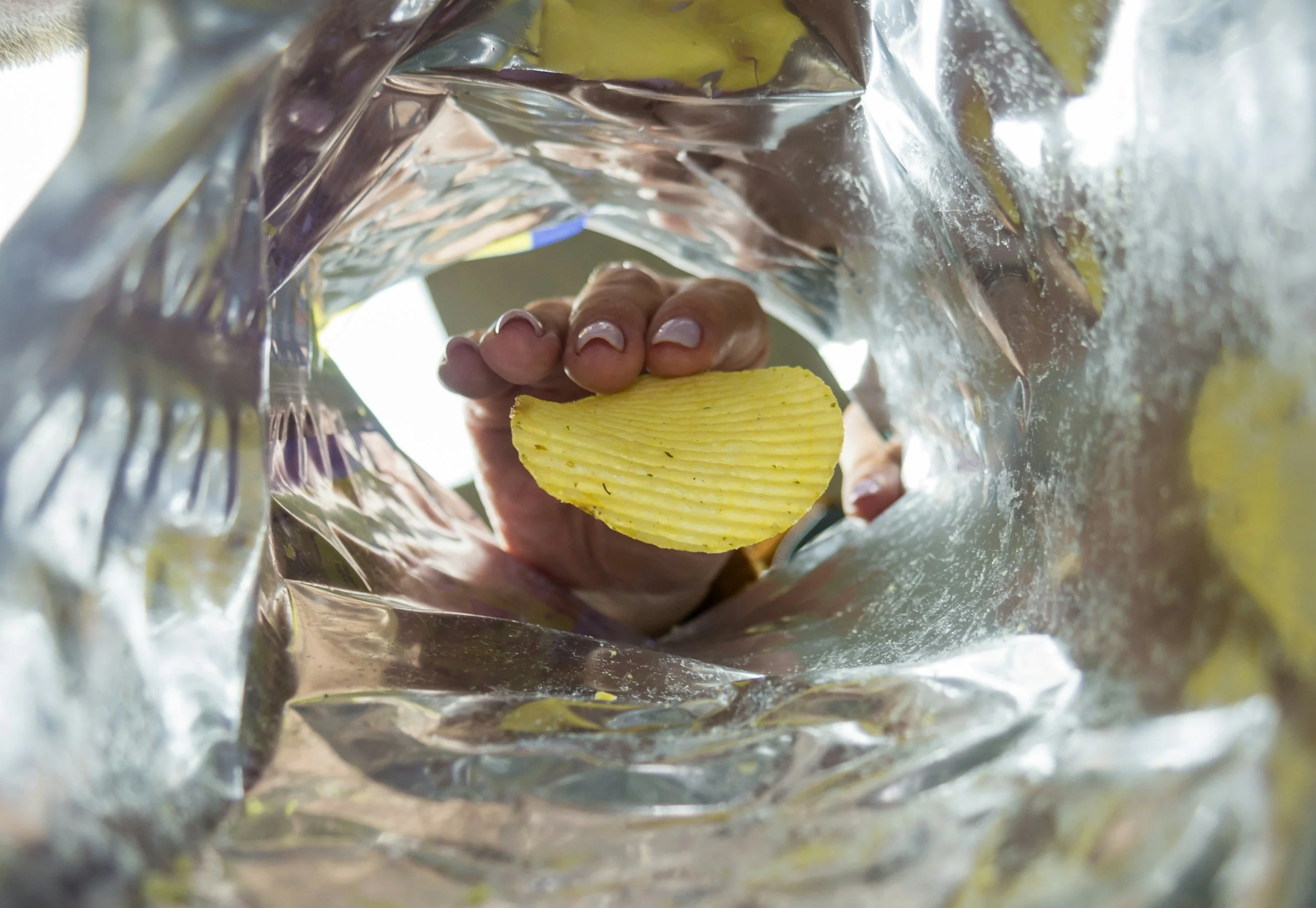
You can know exactly what to eat…have the fridge stocked… start the day feeling “on track”…and still find yourself in the pantry at 9pm thinking, “Why did I just do that?”
This isn’t a lack of knowledge. It’s not a discipline problem. It’s emotional eating — and it’s a really normal human response. But if it’s happening on repeat, it can feel like you’re constantly starting over. Let’s break what’s actually going on — and how to take your power back without becoming rigid or restrictive.
First — Emotional Eating Isn’t the Enemy
Food isn’t just fuel.
It’s comfort.
It’s relief.
It’s a pause in a busy day.
It’s something that’s yours when everything else feels like it’s for everyone else.
So of course your brain uses it.
The goal isn’t to eliminate emotional eating completely (that’s unrealistic).
The goal is to stop it being your default response.
Why It Happens (Even When You “Know Better”)
Most emotional eating isn’t random. It’s triggered.
Common ones I see all the time:
Stress → “I just need something”
Exhaustion → low energy = quick comfort
Overwhelm → food becomes a break
Restriction during the day → it rebounds at night
Habit loops → same time, same behaviour, different day
So when you find yourself eating without really wanting to —
it’s usually not about hunger.
It’s about what’s going on underneath.
Step 1: Catch the Moment (Without Judging It)
This is where most people go wrong.
They notice it… and immediately go into:
“I have no willpower”
“I’ve ruined it”
“I’ll start again tomorrow”
That reaction actually keeps the cycle going.
Instead, try this:
“What am I actually needing right now?”
Not perfectly. Not every time.
Just enough to start building awareness.
Because you can’t change a pattern you don’t notice.
Step 2: Create a Pause (Even a Small One)
You don’t need to suddenly have iron willpower.
You just need a gap between the feeling and the action.
That might look like:
stepping out of the kitchen for 2 minutes
having a glass of water first
sitting down instead of eating standing up
asking yourself one question before grabbing food
You might still eat — and that’s okay.
But that pause starts to weaken the automatic pattern.
Step 3: Check If You’re Actually Under-Fuelling
This one is huge — and often missed.
If your day looks like:
light breakfast (or skipped)
rushed lunch
minimal protein
trying to “be good”
Then your body is going to push back later.
What feels like “emotional eating” at night is often:
👉 a mix of emotional + biological hunger
And no amount of willpower beats an under-fuelled body.
Start with:
protein at each meal
proper portions
not saving all your calories for later
This alone can dramatically reduce “out of control” eating.
Step 4: Give Yourself Other Ways to Regulate
If food is currently your main tool for:
calming down
switching off
getting a break
…then you don’t just remove it.
You replace it.
Not with perfect habits. Just options.
Try:
a 10-minute walk to reset your head
a shower to shift your state
sitting down with a tea (without distraction)
messaging a friend
even just doing nothing for a few minutes
You’re not trying to be productive.
You’re trying to meet the need without always using food.
Step 5: Drop the All-or-Nothing Thinking
This mindset fuels emotional eating more than anything else.
“I’ve already stuffed today, may as well keep going”
One snack turns into a night.
A night turns into a week.
Instead:
Nothing is ruined.
You can eat something and still be “on track.”
You can overeat once and move on.
The faster you remove the drama, the faster the cycle loses momentum.
What This Actually Looks Like in Real Life
This isn’t about becoming someone who never eats emotionally.
It’s about becoming someone who:
notices it sooner
responds differently more often
fuels their body properly
doesn’t spiral when it happens
That’s where change actually sticks.
Reality Check…
Emotional eating isn’t a personality flaw.
It’s a pattern.
And patterns can be changed — not with more restriction or pressure,
but with awareness, structure, and a bit of space between feeling and action.
How I Can Help
If you feel like you’re constantly “good during the day” and then lose control at night — this is exactly what I help with.
We don’t just look at what you’re eating.
We look at why it’s happening — and fix it in a way that actually lasts.
👉 Apply for 1:1 nutrition coaching:
hforhealth.com.au/apply-for-private-nutrition-coaching